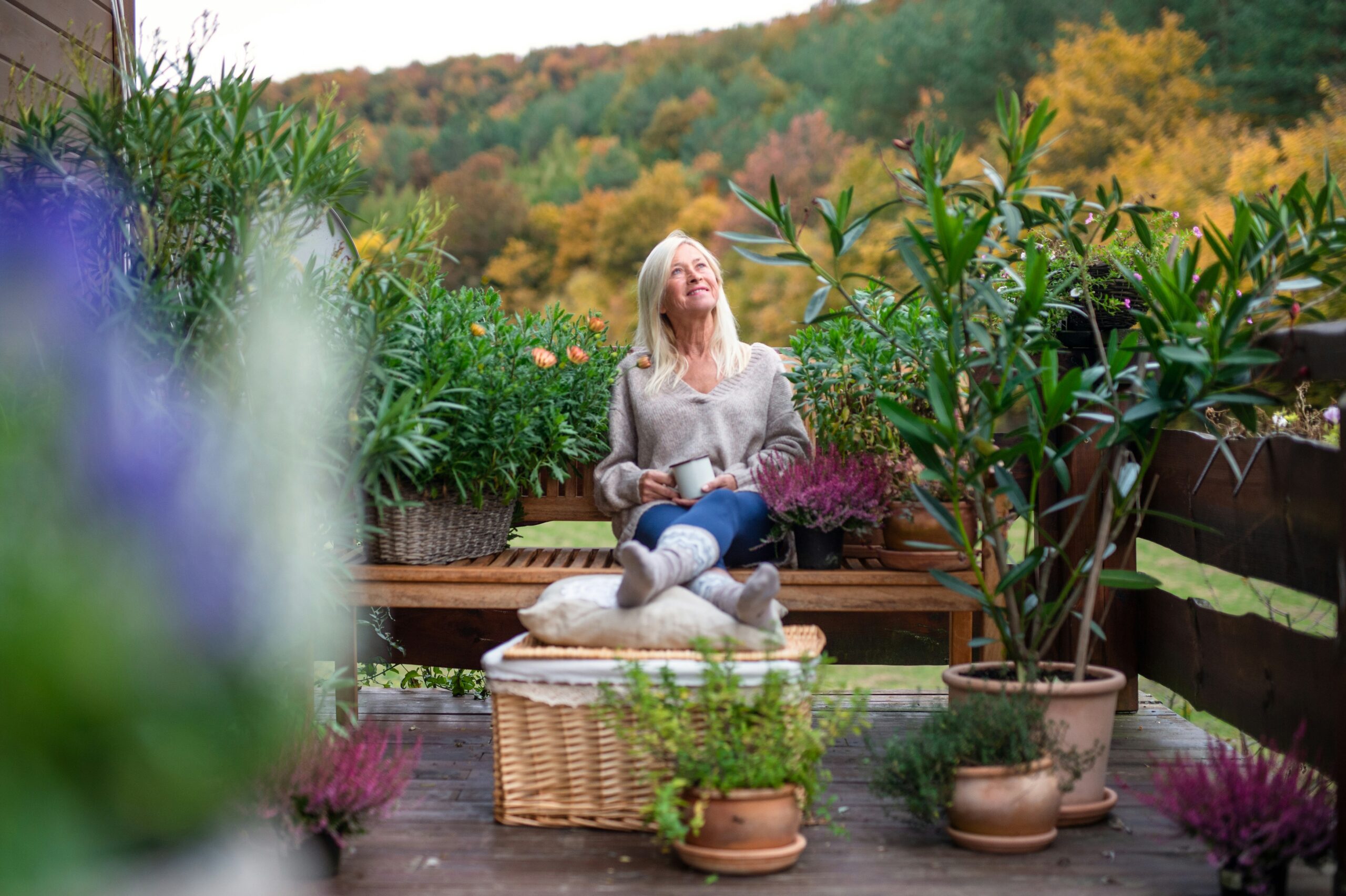
A healing garden offers more than visual beauty. It supports emotional balance, mental clarity, and physical comfort. Therefore, thoughtful planning matters. When designed with care, a healing garden becomes a space for rest, reflection, and recovery. Moreover, these gardens work in homes, hospitals, workplaces, and community spaces. This guide explains how to design a healing garden for calm and comfort using proven design principles.
Understanding the Purpose of a Healing Garden
A healing garden focuses on comfort, safety, and sensory balance. Unlike decorative landscapes, it serves a restorative purpose. Therefore, every design choice should promote a sense of calm. Many healing gardens help reduce stress, anxiety, and fatigue. Moreover, they encourage gentle movement and quiet reflection. Understanding this purpose guides all design decisions.
Choosing the Right Location for Calm and Comfort
Location strongly affects the garden’s success. Therefore, select a quiet area away from traffic and noise. If possible, choose a space with natural light throughout the day. Moreover, partial shade helps prevent glare and heat stress. A nearby indoor entrance improves access for all users. As a result, visitors feel welcome and safe.
Designing a Clear and Simple Garden Layout
A simple layout reduces confusion and stress. Therefore, use gentle curves instead of sharp angles. Wide paths allow easy movement and wheelchair access. Moreover, looping paths prevent dead ends and frustration. Clear sightlines also increase comfort and security. Consequently, users feel at ease without feeling lost.
Using Plants That Promote Relaxation
Plant selection plays a key role in healing garden design. Therefore, choose plants with soft textures and calming colors. Greens, blues, and pale purples work well. Moreover, plants such as lavender, chamomile, and ornamental grasses promote relaxation. Avoid plants with thorns or strong allergens. As a result, the space feels safe and soothing.
Incorporating Sensory Garden Design Elements
A sensory garden design engages the senses of sight, sound, touch, and smell. Therefore, include gentle water features like fountains or streams. Soft water sounds mask noise and reduce stress. Moreover, textured plants invite light touch. Fragrant flowers add comfort without overwhelming the senses. Balance matters, so avoid sensory overload.
Creating Comfortable Seating and Rest Areas
Seating encourages longer, calmer visits. Therefore, provide benches with back support and armrests, and place seating in shaded areas with pleasant views. Moreover, vary seating options for individuals and small groups. Materials should stay cool and smooth. Consequently, visitors feel physically supported and emotionally at ease.
Supporting Privacy and Emotional Safety
Privacy supports emotional comfort. Therefore, include shrubs, trellises, or low walls for screening. However, avoid fully enclosed areas that feel unsafe. Partial privacy offers balance and security. Moreover, spacing seating areas apart prevents crowding. As a result, users enjoy quiet moments without isolation.
Designing Paths for Gentle Movement
Movement supports both body and mind. Therefore, paths should invite slow walking and mindful pauses. Use non-slip surfaces like stone, brick, or textured concrete. Moreover, level changes should remain minimal. Clear edges and lighting improve safety. Consequently, people move confidently and calmly.
Using Natural Materials for Grounding
Natural materials strengthen the healing effect. Therefore, choose wood, stone, and gravel over synthetic options. These materials connect users to nature. Moreover, natural textures feel warmer and less clinical. Earth-toned colors support calm emotions. As a result, the garden feels grounded and authentic.
Adding Water Features for Stress Reduction
Water features remain a core element in healing gardens. Therefore, consider fountains, reflecting pools, or small waterfalls. Moving water creates rhythmic sound patterns. Moreover, water reflects light, adding visual softness. Maintenance should remain simple and reliable. Consequently, water enhances calm without causing concern.
Ensuring Accessibility for All Users
Accessibility remains essential in healing garden design. Therefore, paths should meet ADA guidelines when required. Seating heights must support easy standing and sitting. Moreover, clear signage helps users navigate independently. Inclusive design builds trust and comfort. As a result, everyone benefits equally.
Planning for Seasonal Interest and Comfort
Seasonal changes affect mood and use. Therefore, include plants that offer year-round interest. Evergreens provide structure in the winter months. Moreover, seasonal flowers mark the passage of time and renewal. Shade structures help in summer, while wind barriers help in cooler seasons. Consequently, the garden remains welcoming year-round.
Maintaining a Low-Stress Maintenance Plan
A healing garden should not create stress. Therefore, select low-maintenance plants and systems. Drip irrigation reduces manual watering needs. Moreover, durable materials reduce the need for frequent repairs. Regular upkeep schedules maintain order and safety. As a result, the garden remains calm and functional in the long term.
Integrating Mindfulness and Reflection Spaces
Mindfulness supports healing and emotional clarity. Therefore, include focal points like sculptures or stones. These elements encourage stillness and thought. Moreover, simple signage can suggest breathing or reflection exercises. Avoid clutter or distractions. Consequently, users connect more deeply with the space.
Designing a healing garden for calm and comfort requires intention and empathy. Every choice should support relaxation, safety, and sensory balance. Therefore, focus on simplicity, accessibility, and nature-driven design. When planned thoughtfully, a healing garden becomes a powerful space for renewal. Moreover, it offers lasting benefits for mental and emotional well-being.