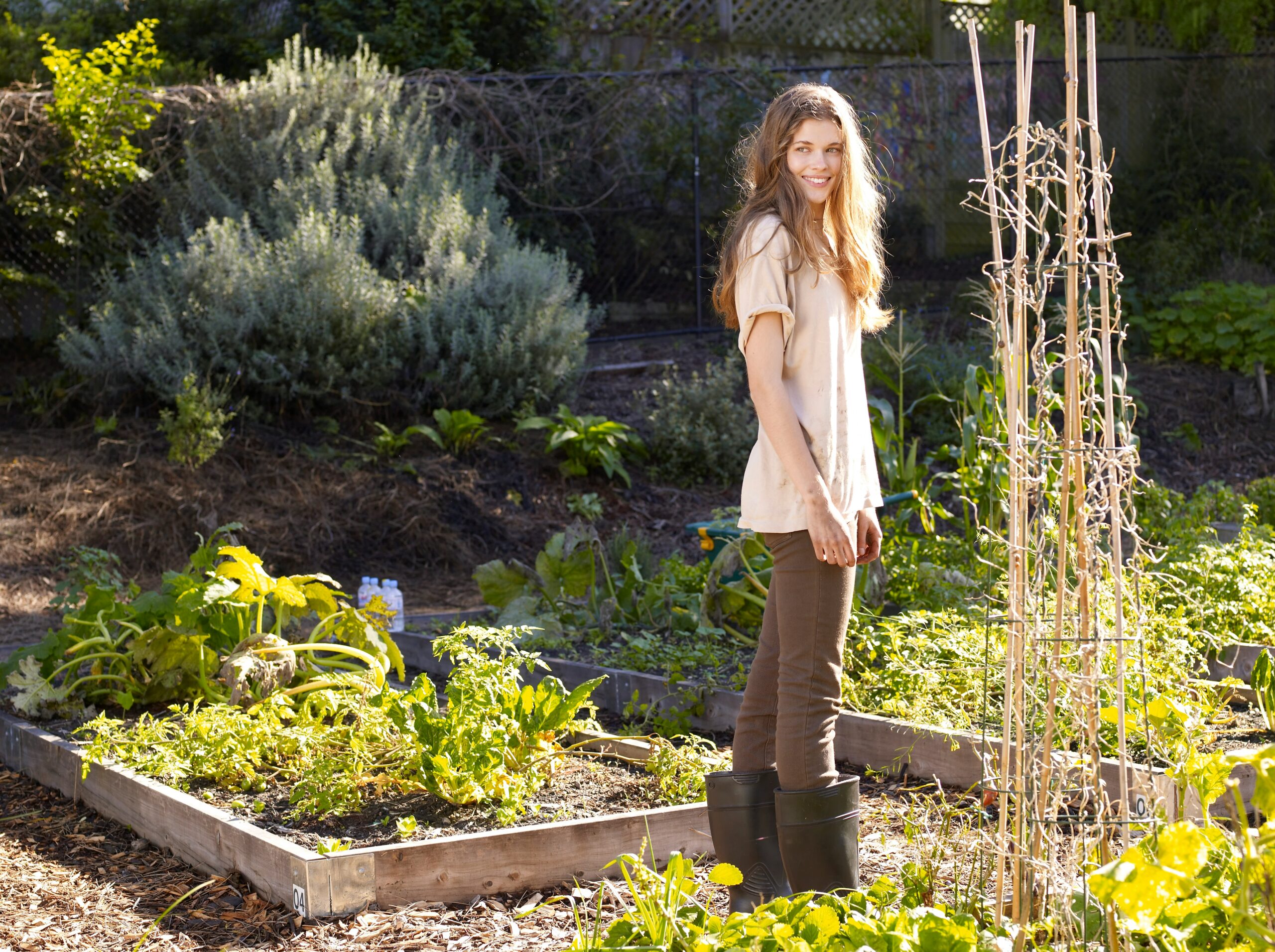
Creating a healing garden offers more than a simple outdoor space. It provides a sanctuary for peace, reflection, and emotional recovery. A thoughtfully designed garden can help reduce stress, improve mood, and even support physical healing. Whether you are recovering from illness, coping with stress, or simply seeking a peaceful retreat, your garden can become a place of renewal and comfort.
When planning your healing garden, start with the intention behind the space. Ask yourself what you hope to achieve. Do you want a place for quiet meditation, gentle exercise, or sensory stimulation? Once you identify your goals, you can make design choices that support your well-being. Every plant, path, and seating area should contribute to a sense of calm and safety.
Choosing the Right Location
Location is the foundation of your healing garden. Pick a spot that receives natural light and offers some privacy. Sunlight enhances mood and supports plant growth, while a sense of seclusion promotes relaxation. Avoid areas with excessive noise or traffic, as these can undermine the tranquil environment you want to create.
Consider accessibility as well. If mobility is an issue, ensure paths are level and easy to navigate. Think about the view from your home or a nearby seating area. Even a small garden tucked into a corner of your yard can provide a sense of escape and serenity.
Selecting Plants for Healing and Comfort
Plants play a central role in any healing garden. Choose varieties that stimulate the senses, such as fragrant flowers, colorful blooms, or textured foliage. Lavender, rosemary, and jasmine are excellent for scent, while sunflowers, daisies, and tulips bring cheerful color. Incorporate a mix of evergreen and seasonal plants to maintain interest throughout the year.
Also, consider plants with calming symbolic meanings. For example, willow trees suggest flexibility and resilience, while lilies can symbolize renewal. Including herbs, like chamomile or mint, can allow visitors to engage with the garden through touch and taste. Sensory interaction strengthens the therapeutic benefits of the space.
Designing Paths and Seating Areas
Paths guide visitors through the garden, creating a sense of journey and discovery. Use natural materials like stone, gravel, or wood to blend with the surroundings. Curved paths feel more soothing than straight lines, gently leading people through different areas without rushing.
Seating is equally important. Benches, hammocks, or garden chairs should be placed in quiet spots with pleasant views. A bench near a water feature or flowering bed encourages reflection. Make sure seating is comfortable and accessible to support extended periods of relaxation.
Incorporating Water and Sound Elements
Water can transform a garden into a more peaceful space. The gentle sound of a fountain, pond, or small waterfall provides natural white noise that masks distractions. Water elements also offer visual calm, reflecting light, and creating a soothing atmosphere.
You can also use sound intentionally with wind chimes or rustling grasses. These subtle sounds enhance sensory engagement without overwhelming the space. Movement in the garden, like fluttering leaves or rippling water, adds a dynamic quality that supports mindfulness and contemplation.
Creating Zones for Different Needs
Dividing your garden into zones allows you to cater to various forms of healing. You might create a meditation area, a section for gentle stretching or yoga, and a sensory garden with fragrant flowers and textured plants. This approach encourages purposeful movement and exploration while offering options for rest and reflection.
Zones can also be organized by privacy. Some areas may be more open for social interaction, while others provide complete solitude. This flexibility ensures that your garden serves multiple needs, from quiet personal reflection to shared moments with friends or family.
Lighting and Safety Considerations
Proper lighting extends your garden’s usability while enhancing safety. Soft solar lights along paths and near seating areas create a welcoming ambiance in the evening. Avoid harsh or bright lights that disrupt the tranquil atmosphere.
Safety also includes choosing non-toxic plants, maintaining clear pathways, and avoiding sharp edges on furniture or garden structures. A well-lit, safe environment allows visitors to feel secure, which is essential for the therapeutic benefits of the space.
Encouraging Engagement and Mindfulness
A healing garden works best when visitors interact with it. Encourage mindfulness by adding features like a small herb garden to touch and smell, a bird feeder to observe wildlife, or stepping stones for meditative walking. Simple actions, like planting seeds or watering plants, foster a sense of purpose and connection to nature.
Journaling or sketching in the garden can also enhance the healing process. By engaging creatively with the surroundings, you invite calm, reflection, and a deeper connection to your emotional well-being.
Maintaining Your Healing Garden
Maintenance ensures that your garden remains inviting and supportive. Regularly trim overgrown plants, remove weeds, and replenish soil nutrients. Seasonal updates keep the space visually appealing and prevent stagnation.
Maintenance can itself be therapeutic. Gardening tasks like pruning, planting, and watering provide gentle physical activity and a sense of accomplishment. Engaging with your garden regularly reinforces its role as a sanctuary for recovery and peace.
Final Thoughts on Creating a Healing Garden
Designing a healing garden is about more than aesthetics. It is about crafting a space that nurtures your mind, body, and spirit. By thoughtfully choosing plants, paths, seating, water elements, and engagement zones, you create an environment that supports peace, reflection, and recovery.
Remember, your garden should evolve with you. Adjust plants, seating, or features as your needs change. Whether your goal is to meditate, reduce stress, or enjoy nature, a healing garden offers a quiet retreat where you can nurture your well-being every day.