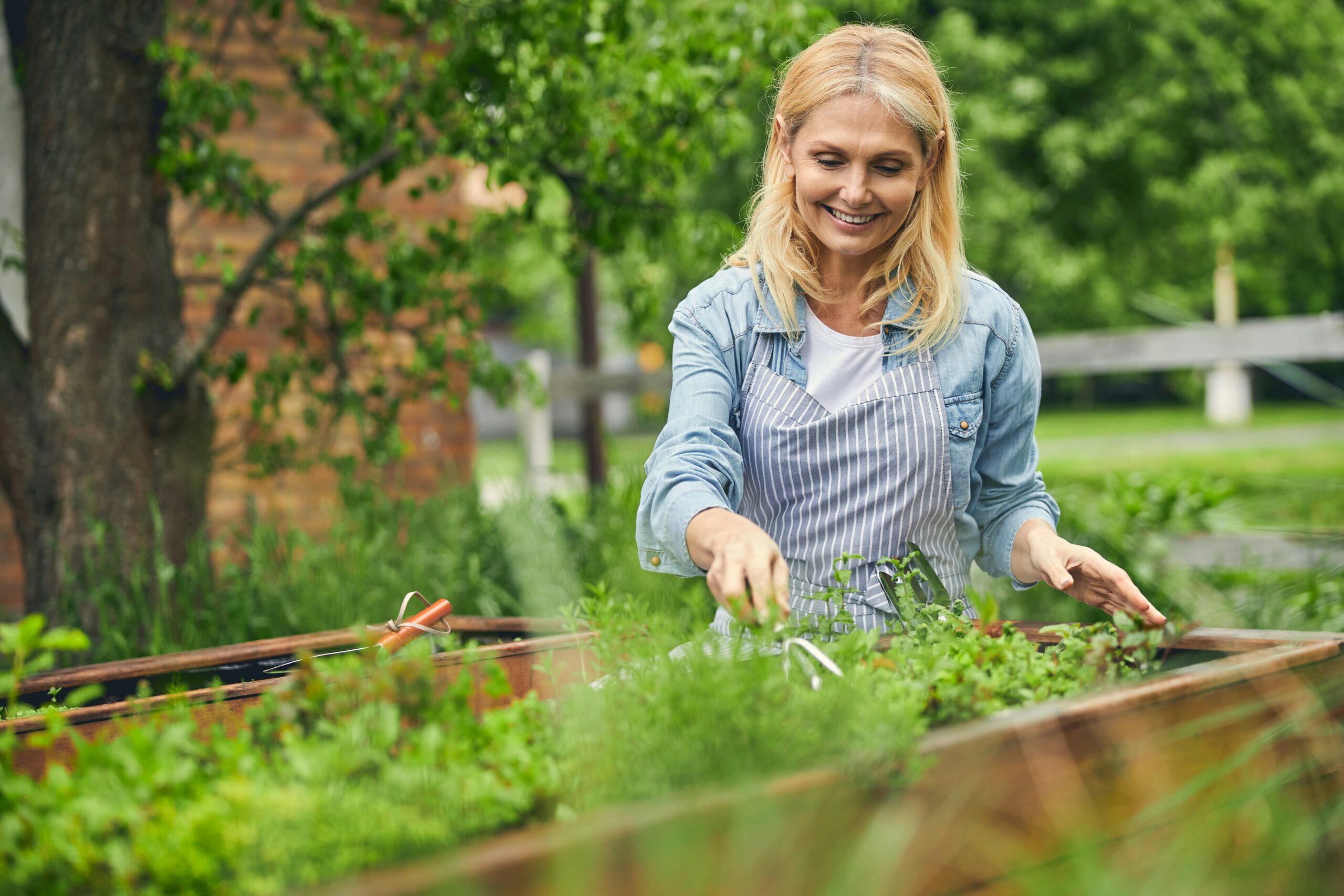
Gardening offers a peaceful setting where people can slow down, think clearly, and connect with simple experiences that strengthen emotions and provide lasting mental benefits. Although daily routines often feel rushed and overwhelming, tending the soil gently shifts attention toward calming, hands-on tasks that ease stress and quiet mental noise.
Since the practice promotes steady attention and patience, growers find comfort in observing gradual progress that mirrors their own personal growth. Each new sprout serves as a reminder that consistent care leads to positive change, both in the garden and within the mind. Over time, this connection between effort and visible results builds resilience, strengthens self-awareness, and reinforces healthy coping habits.
The Restorative Influence of Nature on Inner Balance
Natural environments provide sensory richness that refreshes the mind, and the mental health benefits of gardening become clear as the brain resets. Sunlight, open air, and living textures work together to ease tension. Because attention shifts toward gentle surroundings, heavy thoughts soften, and emotional strain declines. This shift offers clarity during moments of pressure, allowing the mind to regulate its responses with greater ease and steadiness.
Furthermore, exposure to natural settings encourages mindful awareness. Soil texture, plant fragrance, and shifting light invite curiosity without demanding perfection. These experiences help people stay grounded, reducing mental noise and improving emotional control. As growers learn to observe their environment with patience, they strengthen inner calm. This sense of balance carries into daily life, offering lasting relief from stress and persistent worry.
Skill Development and Expanding Personal Growth
Skill development plays a central role in improving mental health in gardening. Learning how to cultivate healthy soil, manage light exposure, or guide growth patterns stimulates problem-solving. Trying new methods introduces manageable challenges that encourage persistence. As people explore unfamiliar skills with curiosity, they build trust in their ability to learn and adapt.
As these abilities expand, growers notice meaningful milestones. A thriving herb patch, colorful blooms, or improved plant health offers clear evidence of successful work. These moments reinforce inner strength and highlight personal capability. Each step forward nurtures a mindset shaped by patience, reflection, and determination.
Social Connection and Stronger Community Bonds
Gardening also creates opportunities for social connection, and gardening mental health improvements strengthen when people engage with supportive communities. Many individuals join neighborhood gardens, local workshops, or online groups where they exchange ideas and share progress. These interactions foster understanding and companionship, easing loneliness and promoting a greater sense of belonging.
Additionally, collaborative growing encourages empathy. People often help others solve challenges, celebrate successful harvests, and discuss new techniques. This teamwork builds trust and nurtures meaningful friendships. As growers support one another through shared experiences, they develop emotional connections that uplift collective well-being. These relationships continue to grow as long as individuals remain involved, offering ongoing comfort and encouragement.
Routine and Purpose That Encourage Stability
Consistent care builds structure, and gardening mental health gains often grow from this predictable routine. Watering, tending stems, and checking plant progress establish meaningful touchpoints throughout the week. Each action creates a gentle rhythm that steadies emotions. Since these tasks offer visible outcomes, individuals feel supported by an environment that responds to their care.
In addition, disciplined routines promote confidence. When plants thrive through repeated attention, people experience a rewarding sense of capability. Seeing steady improvement reinforces motivation and provides reassurance on challenging days. Because the garden welcomes effort without judgment, participants enjoy a safe setting where emotional resilience develops naturally.
Physical Activity and Its Contribution to Emotional Strength
Gardening incorporates natural movement that supports both physical and emotional stability. Stretching, lifting, and reaching improve circulation and release built-up tension. Since physical activity stimulates mood-lifting chemicals, the mental health benefits of gardening become evident as energy rises and stress declines. Regular movement also promotes better sleep, which supports clear thinking and balanced emotions.
In addition, gentle physical tasks create a calming rhythm. Simple motions like planting or clearing soil encourage a meditative state that quiets mental clutter. This steady pace improves focus and reduces reactive thoughts. As the body relaxes, the mind follows, forming a strong connection between physical ease and emotional calm. Over time, this harmony strengthens inner resilience and supports healthier daily habits.
Emotional Healing Through Sensory Engagement
Gardening invites deep sensory engagement, which plays a key role in emotional healing. Soft leaves, warm sunlight, and natural colors soothingly stimulate senses. This sensory richness helps people shift attention away from internal stress and toward present experiences. Because the focus remains gentle and intentional, emotional strain gradually decreases.
Moreover, sensory input enhances grounding. When individuals touch soil or observe plant growth, they reconnect with their surroundings in a stable, comforting manner. This grounding reduces overwhelming thoughts and encourages controlled breathing. As a result, growers experience calmer moods and improved self-awareness. These benefits expand with continued practice, making sensory engagement an essential part of gardening mental health support.
Creativity as a Pathway to Well Being
Creativity flourishes in the garden, and this creative expression nurtures emotional well-being while encouraging a healthy habit that supports long-term balance. Designing plant arrangements, choosing colors, or shaping pathways gives individuals a personal outlet that fosters joy and mindful engagement. Creative choice encourages exploration and builds emotional energy through satisfying, meaningful expression.
In addition, creative freedom enhances problem-solving. When gardeners adjust layouts or modify approaches, they learn to respond to change without frustration. This adaptability strengthens emotional flexibility, which supports healthier responses to life challenges. Creative gardening mental health benefits continue to grow as people develop confidence in their ability to shape calm, inviting spaces that reflect personal vision and emotional needs.