Image Source: Unsplash
Mindful gardening creates a powerful bridge between nature and emotional well-being. Instead of rushing through outdoor tasks, you move with intention, awareness, and presence. This simple shift transforms ordinary yard work into a healing garden experience that nurtures both body and mind. Many people seek therapeutic benefits from gardening because daily life often feels overwhelming and disconnected. However, when you practice mindful gardening, you slow your thoughts and tune into natural rhythms. As a result, stress levels decrease, and mental clarity improves.
Moreover, mindful gardening practices encourage you to focus on sensory details such as soil texture, leaf patterns, and subtle scents. These sensory cues anchor your attention in the present moment. Consequently, you interrupt anxious thought cycles and replace them with grounded awareness. In addition, consistent engagement with nature supports emotional regulation and resilience. Therefore, mindful gardening does not simply beautify outdoor spaces; it also cultivates inner balance and long-term healing.
Creating an Intentional Healing Garden Space
A healing garden experience begins with thoughtful design. You should select plants, colors, and textures that support calm and renewal. For example, lavender and chamomile promote relaxation, while vibrant flowers uplift mood and stimulate positive energy. Furthermore, native plants strengthen your connection to local ecosystems and require less maintenance. When you align your choices with intention, mindful gardening becomes a daily ritual rather than a seasonal hobby.
Equally important, you should design pathways and seating areas that invite reflection. A simple bench beneath a tree can become a meditation space. Likewise, curved garden paths encourage slow walking and mindful observation. As you move through the space, you notice birdsong, shifting light, and gentle wind. This steady awareness enhances stress relief through gardening. Instead of multitasking, you immerse yourself fully in the moment. Consequently, your garden evolves into a sanctuary that supports holistic garden wellness every day.
Practicing Presence While Planting and Pruning
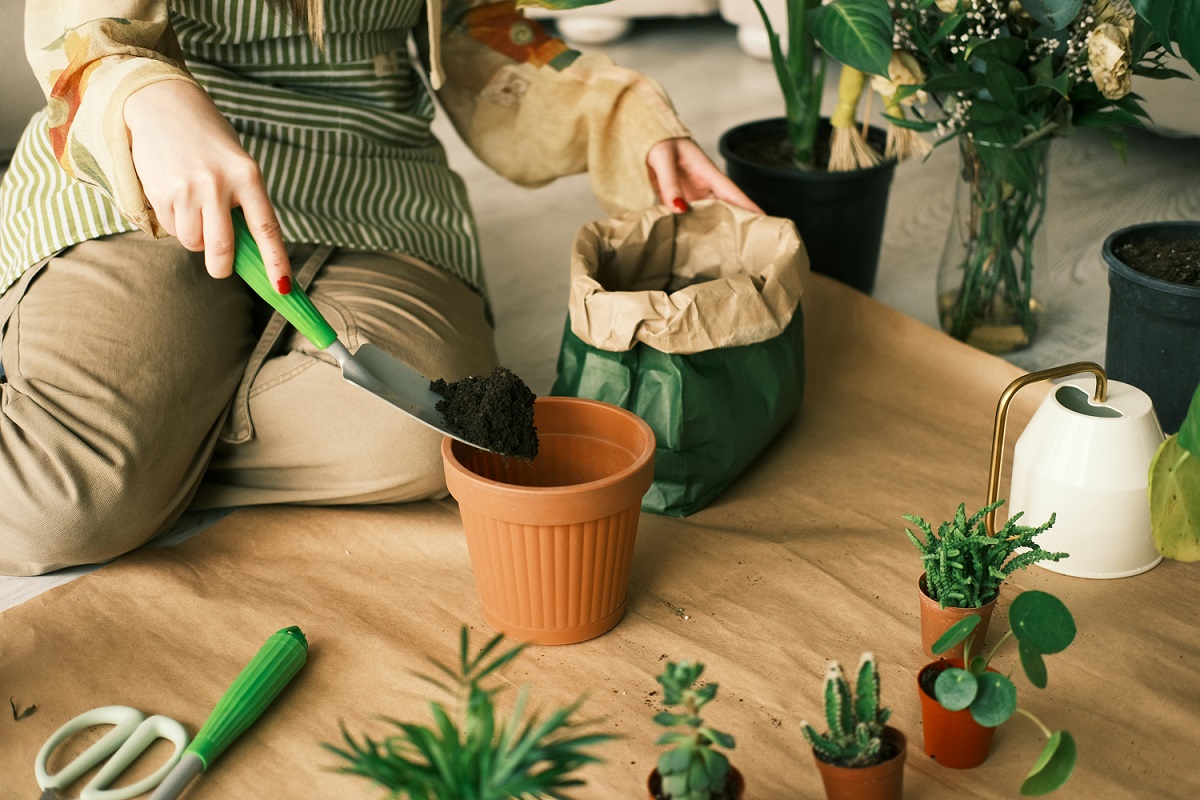
Mindful gardening practices demand full attention during even the smallest tasks. When you plant seeds, you should observe their size, shape, and fragility. Then, as you press them into the soil, you breathe slowly and evenly. This deliberate rhythm synchronizes body and mind. Additionally, you recognize the symbolic meaning of growth and renewal. Through this lens, planting becomes an act of hope and emotional healing in nature.
Pruning also offers powerful therapeutic benefits for gardening. As you trim away dead branches, you reflect on habits or thoughts that no longer serve you. Because you remain present, each cut feels purposeful rather than mechanical. Furthermore, you learn patience by accepting seasonal cycles. Plants require time, care, and trust. Similarly, personal healing unfolds gradually. Therefore, mindful gardening fosters resilience, patience, and acceptance through direct experience rather than abstract theory.
Engaging the Senses for Deeper Connection
Sensory awareness strengthens mindful gardening and deepens its healing impact. First, you can remove gloves occasionally to feel the soil between your fingers. This tactile connection grounds your nervous system and reduces mental tension. Next, you inhale the natural aromas of herbs and flowers, which calm the mind and promote relaxation. Additionally, you listen carefully to environmental sounds, such as rustling leaves or buzzing bees. Each sensory detail anchors your attention.
Moreover, you should notice visual contrasts in your garden. Observe how sunlight changes leaf color throughout the day. Pay attention to the intricate patterns on petals and stems. These observations sharpen focus and increase appreciation for subtle beauty. As a result, you shift from autopilot mode to conscious engagement. Consequently, stress relief through gardening becomes immediate and tangible. Over time, this practice strengthens mindfulness skills that extend beyond the garden into daily life.
Establishing Mindful Outdoor Rituals
Consistency enhances the benefits of mindful gardening practices. Therefore, you should establish simple outdoor rituals that reinforce presence. For instance, begin each session with three deep breaths before touching any tools. This brief pause signals your mind to slow down. Then, set a clear intention for your time in the garden, such as gratitude, patience, or renewal. Clear intention transforms routine maintenance into meaningful practice.
In addition, you can end each session with a reflection. Sit quietly and observe changes in your plants. Notice new buds, improved soil texture, or subtle growth. These observations cultivate appreciation and reinforce progress. Furthermore, journaling about your healing garden experience strengthens emotional insight. When you write about challenges and successes, you gain clarity and perspective. Consequently, mindful gardening becomes a structured path toward holistic garden wellness rather than a random activity.
Supporting Emotional Healing in Nature
Mindful gardening supports emotional healing in nature by encouraging self-awareness and compassion. As you nurture plants, you practice care and patience. This outward care often mirrors inward healing. For example, when a plant struggles, you adjust water, light, or soil conditions rather than react with frustration. Similarly, you learn to respond to personal challenges with thoughtful adjustments rather than harsh judgment.
Additionally, gardening provides a safe form of physical movement, which helps release built-up tension. Digging, weeding, and watering engage muscles while maintaining steady breathing patterns. Therefore, your body naturally processes stress. Because mindful gardening requires focus, it also reduces rumination and negative thought loops. Over time, this consistent engagement builds emotional strength and resilience. As a result, the garden becomes both a physical landscape and a metaphor for growth, balance, and renewal.
Integrating Mindful Gardening Into Daily Life
You do not need a large yard to practice mindful gardening. Even small balconies or indoor herb pots can support a healing garden experience. The key lies in attention and intention rather than size. Therefore, choose manageable projects that fit your schedule. Consistency matters more than scale. When you care for plants regularly, you reinforce mindfulness habits that carry into work, relationships, and personal goals.
Furthermore, mindful gardening practices encourage digital boundaries. When you step outside without your phone, you reduce distractions and mental noise. This separation strengthens focus and restores cognitive energy. Consequently, you return to daily tasks with improved clarity and patience. Over time, mindful gardening becomes a cornerstone of holistic garden wellness and sustainable self-care.
Mindful gardening transforms ordinary outdoor tasks into a structured path for healing and growth. Through intentional design, sensory awareness, and consistent rituals, you create a powerful healing garden experience that supports emotional balance. Moreover, therapeutic gardening benefits extend beyond stress relief, as it nurtures resilience, patience, and clarity. When you practice mindful gardening regularly, you cultivate both thriving plants and a grounded, focused mind. Ultimately, this practice deepens your connection to nature while strengthening your capacity for long-term well-being.