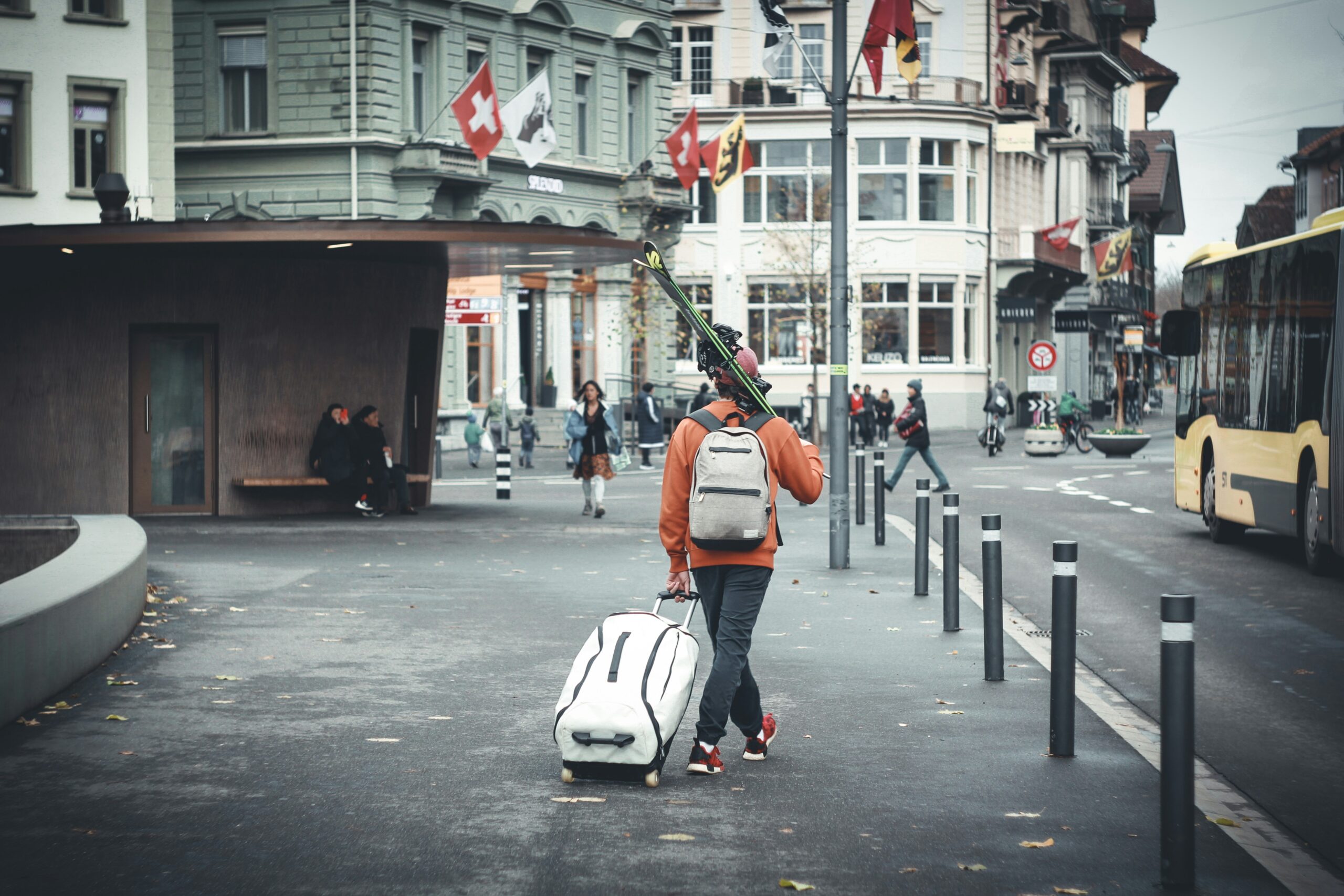
Travel excites the mind and refreshes the soul, yet many people delay their plans because they fear high costs. In reality, budget travel allows people from all backgrounds to explore the world without financial pressure. When you focus on wise choices instead of luxury labels, travel becomes accessible, enjoyable, and deeply rewarding. You do not need five-star hotels or expensive tours to create unforgettable memories.
Budget travel focuses on value, not deprivation. You decide where your money truly matters and cut costs where it does not. Because of this approach, you travel more often, stay longer, and experience destinations more deeply. With proper planning and the right mindset, affordable travel turns dreams into real journeys across the globe.
Understanding the Real Meaning of Budget Travel
Budget travel does not mean uncomfortable trips or constant stress. Instead, it means traveling with awareness and intention. You spend money wisely, avoid unnecessary expenses, and prioritize experiences over status. Because of this, every dollar works harder, allowing you to enjoy more without overspending.
When you embrace budget travel, you often connect more closely with local life. You eat where locals eat, move through cities like residents, and stay in authentic neighborhoods. As a result, your travel feels more meaningful and less commercial. This deeper connection often becomes the most memorable part of the journey.
Planning Early While Staying Flexible
Early planning plays a decisive role in affordable travel. When you research flights, accommodation, and transportation ahead of time, you gain access to lower prices and better options. Airlines and hotels often reward early bookings, which helps you lock in savings before prices rise.
However, flexibility offers the most significant opportunities for budget travel. When you remain open to travel dates, routes, and even destinations, you unlock better deals. Flying midweek, traveling during shoulder seasons, or choosing alternative airports often significantly reduces costs. Flexibility transforms planning into a powerful money-saving tool.
Choosing Affordable Destinations Strategically
Some destinations naturally support budget travel better than others. Countries in Southeast Asia, Eastern Europe, South America, and parts of Africa offer lower daily costs while delivering rich culture and stunning landscapes. In these places, food, transport, and accommodation remain affordable without sacrificing quality.
Even traditionally expensive destinations can work for budget travelers with the right approach. Staying outside city centers, using public transportation, and focusing on free attractions make a big difference. Therefore, instead of avoiding certain places, research daily expenses carefully to understand the actual cost of visiting.
Reducing Transportation Costs Effectively
Transportation often consumes the largest share of a travel budget. Fortunately, thoughtful planning dramatically reduces this expense. Comparing flight prices across platforms, choosing flexible dates, and considering nearby airports often lead to significant savings. Budget travel thrives on informed decisions rather than impulse bookings.
Once you arrive, local transportation becomes your best friend. Public buses, trains, and metro systems cost far less than taxis or ride-sharing services. Walking also saves money while offering a deeper view of daily life. By moving like a local, you spend less and experience more.
Finding Affordable and Comfortable Accommodation
Accommodation does not need to drain your travel budget. Budget travel offers many comfortable, safe lodging options that suit different travel styles. Hostels, guesthouses, homestays, and budget hotels now provide clean rooms, social spaces, and reliable amenities at reasonable prices.
Staying slightly outside tourist centers often lowers accommodation costs while improving your experience. These neighborhoods feel more authentic and less crowded. Additionally, longer stays sometimes unlock discounted rates, which supports both budget travel and slow, meaningful exploration.
Eating Well Without Overspending
Food forms a core part of every travel experience, and budget travel does not mean sacrificing taste. Local eateries, street food vendors, and neighborhood cafes often serve delicious meals at a fraction of restaurant prices. These places usually reflect local culture more accurately than tourist restaurants.
Shopping at grocery stores or local markets also helps control food costs. Preparing simple breakfasts or snacks reduces daily spending while giving you flexibility. By balancing occasional dining experiences with everyday local food, you eat well without breaking your budget.
Enjoying Free and Low-Cost Experiences
Many unforgettable travel moments cost nothing. Walking through historic streets, exploring local markets, hiking scenic trails, or relaxing in public parks creates lasting memories without spending money. Budget travel often highlights these simple yet powerful experiences.
Cities around the world also offer free museums, cultural festivals, and community events. Free walking tours provide insight into history and culture while allowing you to pay what you can afford. These activities enrich your journey while keeping expenses low.
Using Technology to Manage Budget Travel
Technology plays a significant role in modern budget travel. Travel apps help track expenses, compare prices, navigate cities, and translate languages. These tools reduce mistakes, prevent overspending, and increase confidence while traveling in unfamiliar places.
Digital banking solutions also help travelers avoid unnecessary fees. Using cards with low foreign transaction charges and monitoring spending through apps keeps your budget under control. When used wisely, technology becomes a powerful partner in affordable world travel.
Traveling Slower to Save More
Fast-paced travel often increases costs and stress. Moving frequently means paying more for transport and short-term accommodation. Budget travel benefits greatly from slow travel, which involves spending more time in fewer places.
Longer stays reduce daily costs, offer discounted lodging rates, and create opportunities to build routines. You gain deeper cultural understanding and stronger connections with locals. Slow travel supports both financial savings and richer experiences.
Balancing Comfort and Cost Wisely
Budget travel does not require constant compromise. Instead, it encourages balance. You choose when to save and when to spend based on personal priorities. For example, you might save on accommodation but invest in a meaningful tour or activity.
This balance keeps travel enjoyable and sustainable. Because you control spending choices, you avoid burnout and regret. Budget travel works best when it supports comfort, curiosity, and joy rather than constant restriction.