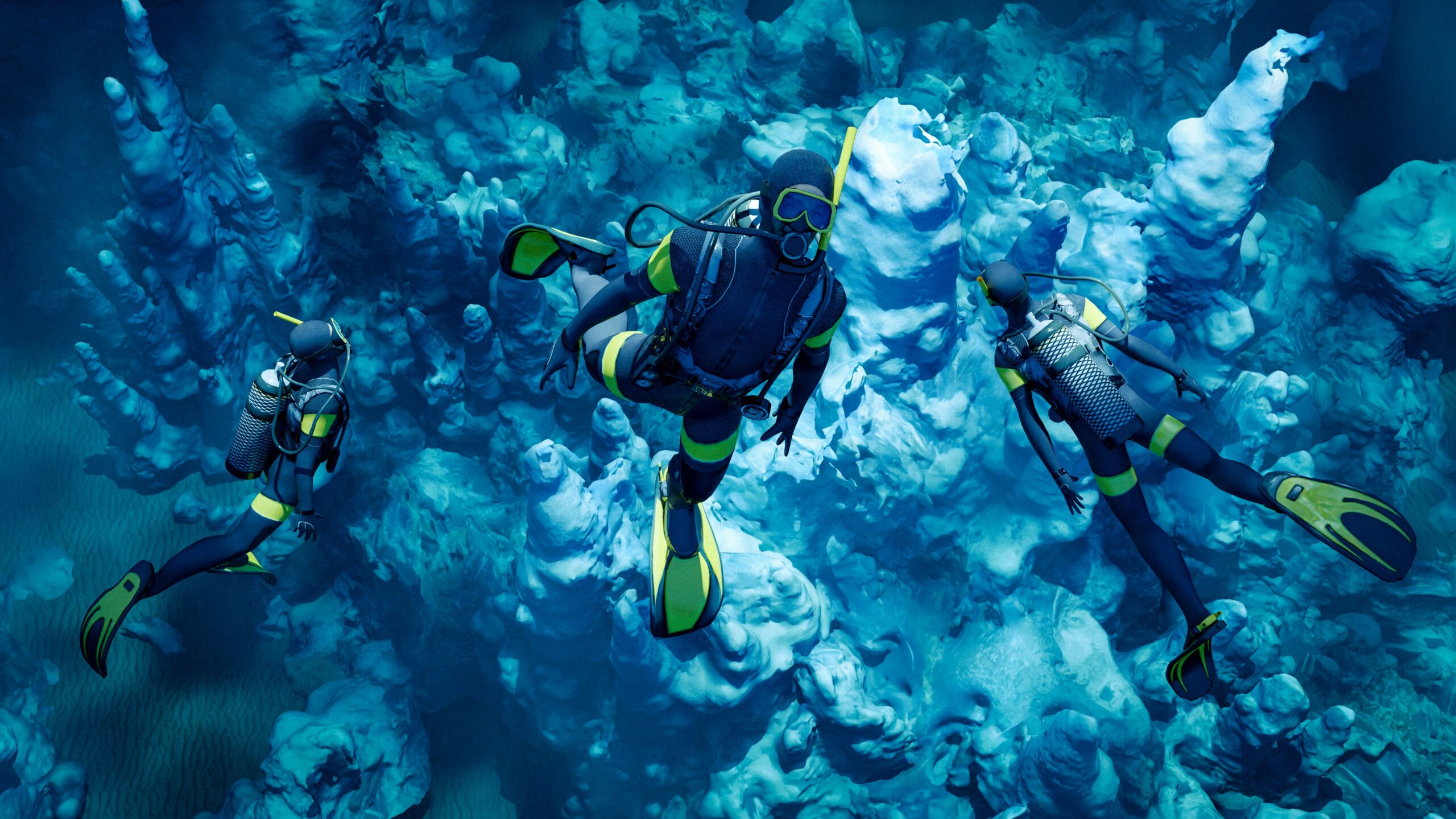
Scuba diving lets people enter an underwater world that feels completely different from life on land. Beneath the surface, divers can observe coral reefs, marine animals, rock formations, and open blue water from a unique perspective. For beginners, the experience can seem exciting and unfamiliar at the same time. However, proper preparation can make the first steps into scuba diving much easier and more comfortable.
A beginner’s guide to scuba diving should focus on safety, training, equipment, communication, and confidence. New divers do not need to become experts immediately. Instead, they should learn the basics, practice important skills, and develop good habits over time. With the right approach, scuba diving can become a rewarding activity that combines exploration, learning, and respect for the underwater environment.
Understanding How Scuba Diving Works
Scuba diving lets a person breathe underwater using a tank filled with compressed breathing gas. A regulator connects to the tank and delivers air when the diver breathes. This system gives divers more freedom than snorkeling because they can stay underwater longer and explore greater depths.
However, scuba diving involves more than simply breathing below the surface. Divers must monitor their air supply, control their buoyancy, understand pressure changes, and communicate with a buddy. Therefore, beginners should learn these skills before entering deeper or more challenging water.
Start With Proper Scuba Training
One of the most important steps for any beginner is completing a recognized scuba diving course. Professional instruction helps new divers understand the basics and provides a safe environment to practice essential skills.
Most beginner courses cover equipment, underwater communication, pressure, buoyancy, emergency procedures, and dive planning. Students also usually practice in confined water before completing supervised open-water dives. As a result, beginners gain practical experience before diving more independently.
Get Familiar With Essential Scuba Equipment
Scuba equipment may seem complicated at first. However, every item serves a specific purpose. A mask helps the diver see clearly underwater, while fins support efficient movement. Meanwhile, an exposure suit helps maintain body temperature and provides protection.
The tank and regulator provide breathing gas, while the buoyancy control device helps the diver manage position in the water. A pressure gauge allows the diver to monitor remaining air, and a dive computer can track depth and time. Therefore, understanding scuba diving equipment is an important part of building confidence.
Learn to Breathe Slowly and Naturally
Breathing underwater feels unusual during the first few dives. Some beginners breathe too quickly because they feel nervous or excited. However, slow and steady breathing helps conserve air and makes the experience more comfortable.
Divers should breathe continuously and avoid holding their breath while underwater. Pressure changes can affect the air in the lungs, so proper breathing habits are essential. Calm breathing also supports better buoyancy control. With regular practice, beginners usually become more relaxed and efficient.
Practice Good Buoyancy Control
Buoyancy refers to a diver’s ability to rise, sink, or remain at a chosen depth. Good buoyancy control is one of the most valuable scuba diving skills because it allows divers to move smoothly without unnecessary effort.
Beginners learn to manage buoyancy by adjusting their buoyancy control device, breathing calmly, and using the correct amount of weight. Proper body position also helps. Good buoyancy also protects the underwater environment by reducing the risk of accidental contact with coral, plants, or the sea floor.
Understand Water Pressure and Equalization
Water pressure increases as a diver descends. This pressure can affect the ears and other air spaces inside the body. Therefore, beginners must learn how to equalize safely during descent.
Divers should equalize early and often rather than waiting for discomfort. If pain develops, the diver should stop descending and communicate with the instructor or buddy. Never force equalization. Instead, beginners should move slowly and pay attention to how their bodies feel throughout the dive.
Follow the Buddy System
Scuba diving usually involves diving with a partner. The buddy system adds an important layer of safety because divers can monitor each other and provide help if something unexpected happens.
Before entering the water, buddies should review their equipment and discuss the dive plan. During the dive, they should remain close enough to communicate. Both divers should also know the planned depth, direction, and expected dive time. Strong teamwork can make beginner scuba diving safer and less stressful.
Learn Common Underwater Hand Signals
Because normal conversation is not possible underwater, scuba divers use hand signals. These signals help buddies communicate basic information about direction, air supply, comfort, and safety.
Beginners should practice common signals before every dive. For example, they should know how to indicate that everything is fine, show that they have a problem, or communicate that they need to go up. Clear underwater communication reduces confusion and builds divers’ confidence.
Choose Beginner-Friendly Dive Conditions
The right dive site can make a major difference during the first few scuba experiences. Calm water, good visibility, mild currents, and comfortable temperatures usually work best for beginners.
New divers should not focus on depth or difficult conditions. Instead, they should choose an environment that allows them to practice breathing, buoyancy, and communication. As confidence develops, they can gradually explore more challenging locations. Starting slowly helps build stronger skills for the future.
Plan Every Dive Before Entering the Water
Dive planning is essential to safe scuba diving. Before entering the water, divers should understand the location, expected depth, water conditions, entry and exit points, and emergency procedures.
Divers should also check their equipment and make sure everything works correctly. A clear plan reduces uncertainty and helps everyone understand what to expect. Even experienced divers plan their dives carefully, so beginners should develop this habit from the start.
Stay Calm When Problems Occur
Small issues can happen during any dive. Water may enter a mask, equipment may shift, or a diver may feel uncomfortable. However, panic can make a simple situation more difficult.
Beginners should remember their training, breathe slowly, and communicate with their buddy. If necessary, they should stop and solve the problem before continuing. Staying calm allows divers to think more clearly and make safer decisions. Over time, practice helps these responses become more natural.
Respect Marine Life and Underwater Habitats
One of the greatest rewards of scuba diving is observing marine life up close. However, divers must remember that they are visitors in these environments. Responsible behavior helps protect coral reefs, fish, and other underwater species.
Divers should avoid touching coral, feeding wildlife, chasing animals, or removing natural objects. Good buoyancy control can also prevent accidental damage. Responsible scuba diving allows people to enjoy underwater ecosystems while helping preserve them for future generations.
Build Confidence Through Experience
Every dive gives beginners another chance to improve. With practice, breathing becomes more natural, equipment feels more familiar, and buoyancy becomes easier to control. Therefore, new divers should focus on steady progress rather than rushing toward advanced dives.
Confidence comes from preparation and repetition. A beginner who follows safety procedures and respects personal limits can gradually expand their skills. Over time, each successful experience builds a stronger foundation for future underwater adventures.
Discover a New World Beneath the Surface
Scuba diving offers a powerful combination of adventure, education, and connection with nature. For beginners, the journey starts with training, patience, and responsible decision-making. Learning how to use equipment, breathe calmly, manage buoyancy, communicate, and plan a dive can make every underwater experience more enjoyable.
Ultimately, a beginner’s guide to scuba diving is about building confidence one skill at a time. New divers do not need to explore deep water immediately. Instead, they should focus on safety, comfort, and awareness. With proper instruction and continued practice, scuba diving can open the door to remarkable underwater environments and a lifetime of exploration.