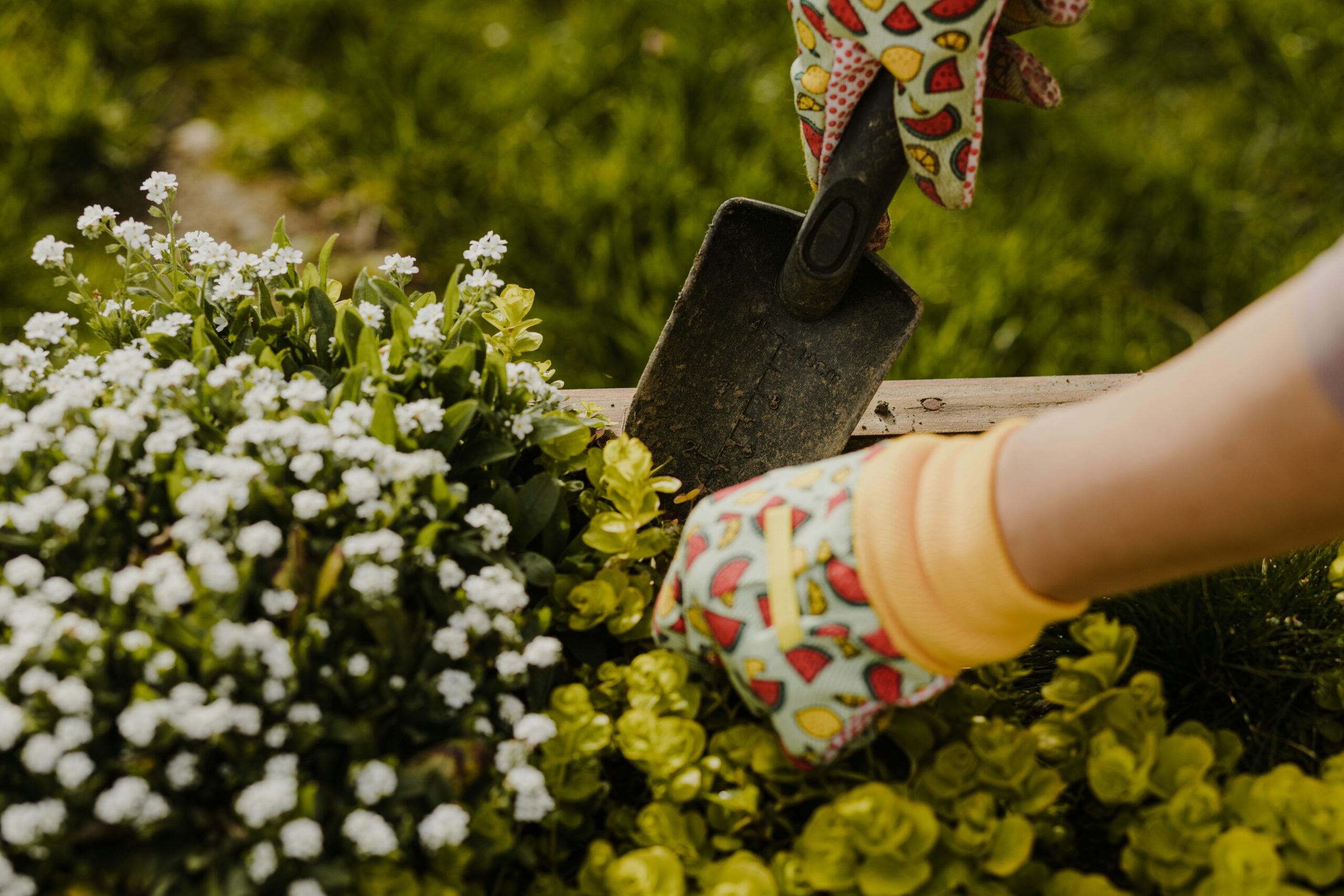
Post-Traumatic Stress Disorder (PTSD) is a mental health condition that affects thousands of people each year. While traditional therapies such as counseling and medication play a critical role in recovery, alternative approaches are gaining recognition for their unique ability to support emotional healing. One such method is horticultural therapy, where gardening becomes a powerful tool to help alleviate the symptoms of PTSD. Engaging with nature, nurturing plants, and spending time outdoors can offer profound therapeutic benefits that complement conventional treatments.
The Connection Between Nature and Mental Health
Human beings have a deep-rooted connection with the natural world. Research has shown that spending time in green spaces can reduce stress, lower anxiety, and improve overall mental well-being. For individuals experiencing PTSD, whose minds are often trapped in cycles of hyperarousal, intrusive thoughts, and emotional exhaustion, the calm and predictable rhythm of gardening can be particularly grounding. By tending to plants, people can redirect focus from distressing memories to the present moment, creating a sense of control and accomplishment.
Gardening as a Mindful Practice
Mindfulness is a therapeutic approach that emphasizes being fully present in the moment. Gardening naturally encourages this practice, as it requires attention to detail and patience. Activities such as planting seeds, watering flowers, and observing growth patterns engage the senses and foster mindfulness. This focused attention can help reduce the intrusive thoughts and hypervigilance often associated with PTSD. Over time, individuals who practice gardening may notice improved emotional regulation and a stronger ability to manage stress in daily life.
Physical Benefits That Support Emotional Healing
The therapeutic effects of gardening are not limited to mental health alone. Physical activity involved in gardening, even at a moderate level, helps release endorphins—the body’s natural mood enhancers. Digging, planting, and pruning can improve overall fitness while simultaneously reducing tension and restlessness. For people with PTSD, who may experience chronic stress and fatigue, these physical benefits reinforce emotional recovery. Additionally, exposure to sunlight during outdoor gardening helps regulate sleep patterns and supports vitamin D production, further contributing to improved mental and physical well-being.
Building a Sense of Purpose and Achievement
PTSD often leaves individuals feeling disconnected and powerless. Gardening can counter these feelings by providing a tangible sense of accomplishment. Watching a seed grow into a thriving plant creates a visible, rewarding outcome for consistent effort. This sense of purpose is crucial in rebuilding self-esteem and reinforcing positive coping strategies. Many participants in horticultural therapy programs report a renewed sense of hope and motivation as they witness the life they are nurturing in their gardens.
Social Engagement Through Gardening
Gardening can also foster social connection, which is essential for individuals recovering from PTSD. Community gardens, therapeutic horticulture programs, and gardening clubs offer opportunities for social interaction in a calm, non-judgmental environment. Sharing gardening experiences and collaborating on projects encourages trust, communication, and a feeling of belonging. This social aspect of gardening can help combat isolation and support emotional resilience, both of which are vital for long-term recovery.
Scientific Evidence Supporting Horticultural Therapy
A growing body of research highlights the benefits of horticultural therapy for PTSD. Studies have demonstrated that participants engaging in gardening activities show reduced anxiety, lower cortisol levels, and improved mood. Clinical programs incorporating horticulture into treatment plans have reported higher levels of patient satisfaction and enhanced emotional regulation. These findings suggest that gardening is not merely a recreational activity but a legitimate therapeutic intervention that can support traditional mental health care.
Integrating Gardening Into PTSD Recovery
For individuals seeking alternative ways to manage PTSD symptoms, integrating gardening into daily routines can be both accessible and effective. Starting with small indoor plants or container gardens can provide initial engagement, while larger outdoor projects may offer extended therapeutic benefits. Consistency is key, as regular interaction with plants and nature fosters ongoing mindfulness, physical activity, and emotional resilience. By incorporating gardening into structured therapy sessions or personal routines, individuals can experience a holistic approach to healing that nurtures both body and mind.
Healing from PTSD is a complex journey, but horticultural therapy offers a natural and restorative pathway toward recovery. Gardening offers a unique combination of mindfulness, physical activity, emotional fulfillment, and social engagement, all of which help alleviate PTSD symptoms. Through the simple act of nurturing plants, individuals can cultivate not only gardens but also resilience, hope, and a renewed sense of purpose. In a world where mental health challenges are increasingly common, turning to nature for healing proves that sometimes the most effective therapy grows from the earth itself.