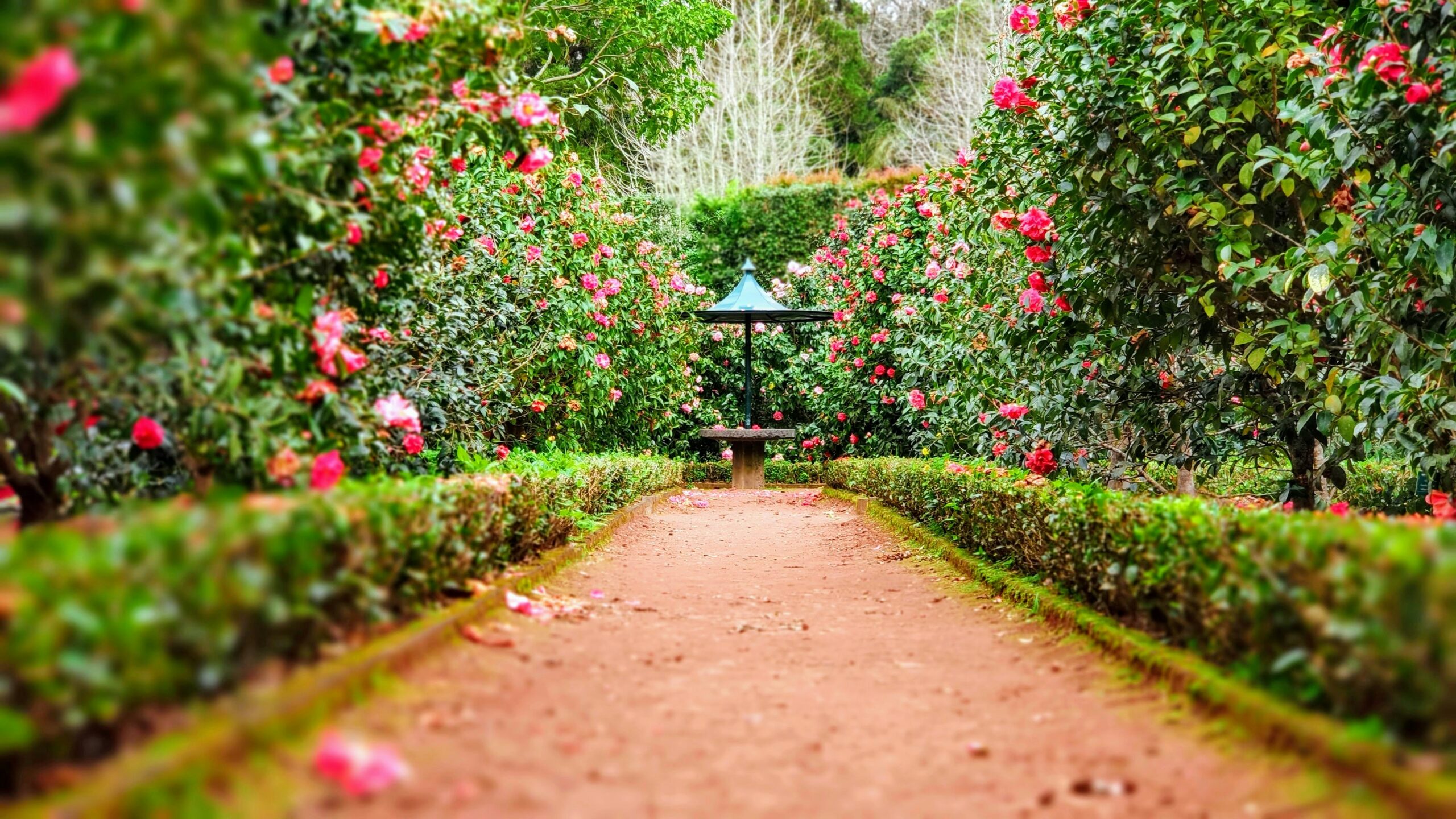
Post-traumatic stress disorder (PTSD) is a complex mental health condition that affects millions of people. It can develop after experiencing or witnessing traumatic events, leaving individuals with anxiety, intrusive memories, emotional numbness, and difficulty reconnecting with everyday life. Traditional treatments such as therapy and medication play an important role, but many people are also searching for natural, calming ways to support their recovery. This is where gardening steps in as a powerful and accessible form of therapy, quietly.
Gardening is more than just planting seeds and watering flowers. It is a deeply grounding activity that connects the mind and body with nature. For individuals living with PTSD, this connection can offer a sense of stability, safety, and control that is often disrupted by trauma.
The Science Behind Gardening and Mental Health
Research has shown that spending time in nature can significantly reduce stress levels. Gardening, in particular, combines physical activity, sensory engagement, and mindfulness. These elements work together to calm the nervous system, which is often overactive in people with PTSD.
When someone gardens, their brain begins to shift away from constant alertness and fear responses. The repetitive actions of digging, planting, and watering create a rhythm that soothes the mind. Exposure to sunlight also helps regulate mood by boosting serotonin levels, thereby improving overall emotional well-being.
Additionally, soil itself contains microorganisms that may positively influence brain chemistry. Interacting with soil has been linked to increased feelings of happiness and relaxation, making gardening a surprisingly effective natural support tool.
Creating a Safe and Controlled Environment
One of the biggest challenges for individuals with PTSD is feeling a lack of control. Gardening offers a unique opportunity to rebuild that sense of control in a gentle and non-threatening way. A garden space, whether large or small, becomes a personal sanctuary.
In the garden, choices are simple and manageable. Deciding what to plant, when to water, and how to arrange the space helps individuals regain confidence in their decision-making. Unlike many aspects of life, gardening provides predictable outcomes. Seeds grow with care, and plants respond to attention. This predictability can be incredibly comforting for someone dealing with uncertainty and anxiety.
The garden also becomes a safe space where individuals can retreat when feeling overwhelmed. It offers a quiet environment free from judgment, where healing can happen at a natural pace.
Mindfulness and Being Present in the Moment
PTSD often pulls individuals into the past through flashbacks or into the future through worry and fear. Gardening gently brings attention back to the present moment. The act of focusing on small tasks, like feeling the texture of soil or noticing the colors of blooming flowers, encourages mindfulness.
This present-moment awareness helps reduce racing thoughts and emotional distress. Gardening does not demand perfection or speed. Instead, it invites patience and acceptance. Watching a plant grow over time reminds individuals that healing, like nature, cannot be rushed.
Through this process, people begin to reconnect with themselves. They learn to observe their thoughts and emotions without being overwhelmed by them, which is a key aspect of managing PTSD symptoms.
Physical Movement and Emotional Release
Gardening involves physical activity that can range from light to moderate exercise. Activities such as digging, planting, weeding, and watering help release built-up tension in the body. Physical movement is known to reduce stress hormones and improve overall mood.
For individuals with PTSD, the body often holds onto trauma. Gardening provides a natural way to release this stored tension without the pressure of structured exercise. The movements are purposeful yet calming, allowing for both physical and emotional release.
Over time, this gentle activity can improve sleep, reduce anxiety, and increase energy levels, all of which contribute to better mental health.
Building Connection and Purpose
Another important aspect of healing from PTSD is rebuilding a sense of purpose and connection. Gardening offers both. Caring for plants creates a feeling of responsibility and accomplishment. Watching something grow because of your efforts can be deeply rewarding.
Gardening can also foster social connection. Community gardens or shared gardening spaces offer opportunities to interact with others in a relaxed, supportive environment. Even for those who prefer solitude, sharing produce or flowers with others can create meaningful connections.
This sense of purpose and connection helps counter feelings of isolation, which are common in PTSD. It reminds individuals that they are capable of nurturing life and contributing something positive to the world.
A Gentle Path Toward Healing
Gardening is not a replacement for professional treatment, but it is a powerful complement. Its simplicity, accessibility, and calming nature make it an ideal therapeutic activity for those coping with PTSD. It meets individuals where they are, allowing them to engage at their own pace without pressure.
From the moment a seed is planted to the day it blooms, gardening mirrors the healing journey. It requires patience, care, and time, but the results are meaningful and lasting. In the quiet rhythm of nature, many people find a sense of peace that words alone cannot provide. For anyone seeking a natural way to support emotional recovery, gardening offers a gentle and hopeful path forward.