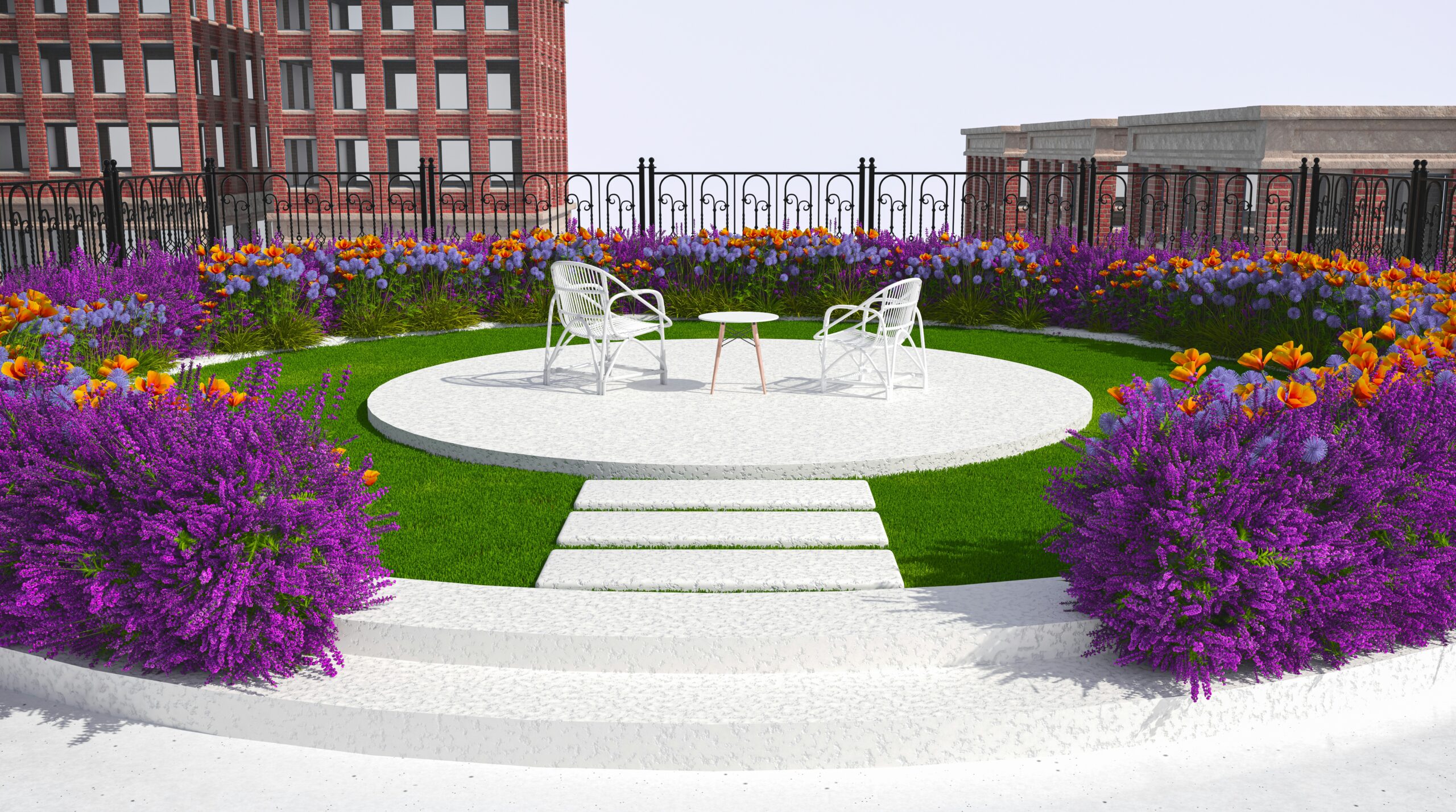
Creating a calm outdoor retreat can transform how you feel each day. A thoughtfully planned healing garden design offers more than beauty; it creates a place where your mind and body can rest and recover. Whether you face stress, illness, or daily pressure, a peaceful garden supports healing through nature, light, and quiet moments.
In today’s fast-paced world, many people search for ways to slow down. Therefore, designing a garden with intention can help restore balance. With the right elements, you can turn even a small yard into a space that nurtures calm and renewal.
Understanding the Purpose of a Healing Garden
A healing garden does not focus only on looks. Instead, it supports emotional and physical well-being through thoughtful design. These gardens often include soft textures, calming colors, and natural sounds that reduce stress. As a result, they help people relax and feel safe in their surroundings.
At the same time, healing gardens can serve many needs. Some people use them for quiet reflection, while others use them for gentle activity like walking or gardening. When you plan your space, think about how you want to feel there. This intention will guide every choice you make.
Choosing the Right Location for Your Garden
The location of your garden plays a big role in its effect. Ideally, choose a quiet area that feels separate from noise and distraction. Even in a busy neighborhood, you can create a sense of calm by using plants, fences, or walls to block unwanted sights and sounds.
In addition, consider sunlight and shade. A mix of both works best, since too much sun can feel harsh, while too much shade can feel dull. By balancing light, you create a space that feels comfortable at any time of day.
Designing with Natural Elements
Nature itself offers powerful healing tools. Therefore, your healing garden design should include elements like plants, water, and natural materials. Trees and flowers add life and color, while stones and wood bring a grounded feeling. Together, these elements create harmony.
Water features, such as a small fountain, can also improve the space. The sound of flowing water helps calm the mind and mask background noise. Even a simple bowl with water can make a difference in how the garden feels.
Selecting Plants for Calm and Comfort
Plants play a central role in any healing garden. Choose varieties that engage the senses without overwhelming them. For example, lavender offers a soothing scent, while soft grasses move gently in the wind. These small details help create a peaceful mood.
At the same time, use a simple color palette. Greens, blues, and soft purples work well because they promote relaxation. Bright colors can still appear, but they should not dominate the space. Balance helps maintain a calm atmosphere.
Adding Personal Meaning to the Space
A healing garden should reflect your personal journey. Therefore, include items that hold meaning for you. This could be a favorite plant, a small statue, or a memory stone. These details make the space feel truly yours.
At the same time, avoid clutter. Too many objects can feel overwhelming. Instead, choose a few meaningful pieces and place them with care. This approach keeps the garden peaceful while still adding emotional value.
Creating Comfortable Seating Areas
A healing garden should invite you to sit and stay. Comfortable seating makes this possible. Choose chairs or benches that support your body and allow you to relax fully. Placement also matters, so position yourself to enjoy the best views.
In addition, think about privacy. When you feel protected from outside distractions, you can relax more deeply. Use plants, screens, or garden structures to create a sense of enclosure without blocking airflow.
Encouraging Movement and Exploration
While rest matters, gentle movement also supports healing. Paths encourage you to walk slowly and explore your space. Curved paths work better than straight ones because they create a sense of discovery and calm.
Moreover, use materials like gravel, stone, or wood for pathways. These textures add interest while remaining natural. As you move through the garden, each step becomes part of the healing experience.
Using Sound and Texture for Sensory Balance
Sound plays a powerful role in relaxation. Soft, natural sounds can ease stress and improve focus. For this reason, include elements like wind chimes, rustling leaves, or water features in your garden. These sounds create a gentle background that soothes the mind.
Texture also adds depth to your space. Combine smooth stones, soft leaves, and rough bark to engage the sense of touch. When you interact with these textures, you feel more connected to nature, which supports emotional balance.
Maintaining Your Healing Garden
A garden needs care to stay healthy and welcoming. Regular maintenance helps preserve its calming effect. Simple tasks like watering, trimming, and cleaning can also become mindful activities that reduce stress.
However, do not let maintenance feel like a burden. Choose plants that suit your lifestyle and climate. Low-maintenance options can still create a beautiful and effective healing space without requiring constant effort.
Supporting Long-Term Wellness Through Design
A well-planned healing garden design continues to support your well-being over time. As seasons change, your garden will grow and evolve, offering new experiences and moments of reflection. This ongoing change keeps the space fresh and engaging.
Your garden becomes more than a place. It becomes part of your daily routine and emotional care. By spending time there, you build a habit of slowing down and reconnecting with yourself. In this way, your garden supports lasting peace and recovery.