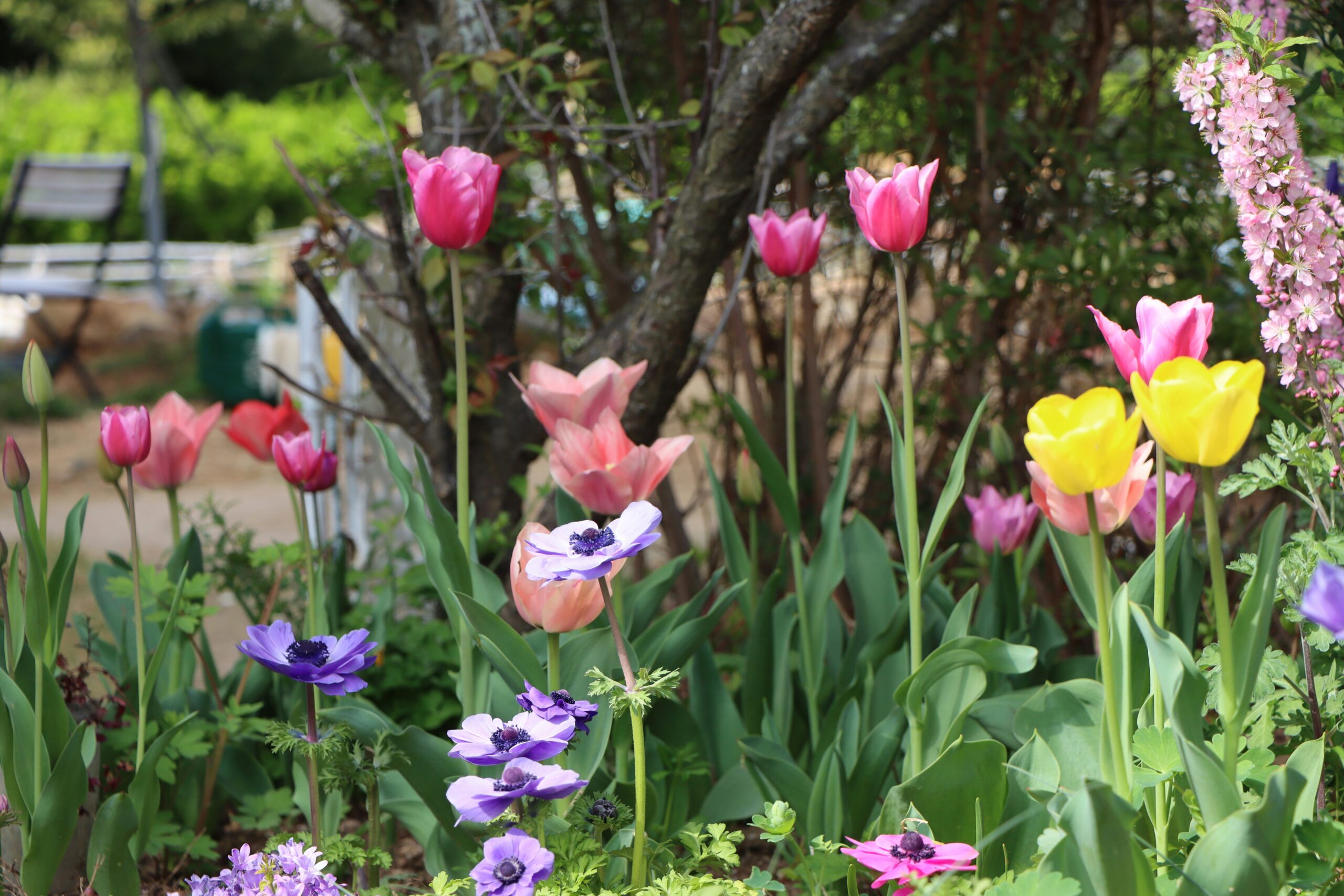
Creating a healing garden offers more than just beauty. It provides a space for relaxation, reflection, and recovery from the stresses of daily life. With careful planning, you can design a garden that nurtures both the body and mind, making it a true sanctuary.
Choosing the Right Location
The first step in creating a healing garden is selecting the right location. Ideally, pick a spot with natural light and good air circulation. Sunlight supports plant growth and has a positive effect on mood, while gentle breezes help carry soothing scents from flowers and herbs. Consider privacy as well. If the garden is visible from neighbors’ yards or busy streets, use natural screens like hedges or trellises to create a sense of seclusion.
Planning Your Garden Layout
A thoughtful layout enhances the calming effect of your garden. Begin by dividing the space into zones for different activities. You might include a quiet seating area for meditation, a walking path for light exercise, and a small vegetable or herb patch for hands-on gardening. Curved paths are more soothing than straight lines because they encourage slow, exploratory movement. Make sure each area flows naturally into the next, so visitors feel guided rather than restricted.
Choosing Plants That Promote Healing
Plant selection is crucial for a healing garden. Choose plants known for their calming properties, such as lavender, chamomile, and rosemary. Flowers with soft colors like blues, purples, and whites often create a sense of tranquility. Additionally, include greenery that appeals to multiple senses. Grasses rustling in the wind, aromatic herbs, and flowering plants with subtle scents all contribute to a peaceful atmosphere. Remember to consider seasonal changes, so your garden remains vibrant year-round.
Incorporating Water Features
Water has a unique way of calming the mind. Adding a small fountain, pond, or birdbath can provide gentle background sounds that mask distracting noise. Flowing water encourages relaxation and can attract birds and other wildlife, which adds life to your garden. Position water features so you can see and hear them from your seating area, maximizing their soothing effect.
Creating Comfortable Seating Areas
Seating is essential for enjoying a healing garden. Choose benches, chairs, or even hammocks that support long periods of sitting comfortably. Place them in shaded areas or under pergolas to provide relief from the sun. Consider using natural materials like wood or stone to maintain a connection with the outdoor environment. Arrange seating to allow for both solitude and conversation, depending on your needs.
Adding Personal Touches
Personal touches make a healing garden feel welcoming and unique. You can include sculptures, wind chimes, or decorative stones that have special meaning. Garden art can reflect your personality while reinforcing the calming theme. Avoid clutter, however, as too many objects can disrupt the sense of peace. Simple, meaningful items work best to create a harmonious environment.
Using Light and Color Thoughtfully
Light and color play a major role in mood and perception. Soft lighting, such as solar-powered lanterns or string lights, can extend the garden’s use into the evening while keeping a gentle ambiance. Color choices should favor soft pastels or natural greens. Bright colors can be stimulating, which is useful for energy, but less effective for calming. Combining subtle lighting with soothing colors helps create a serene atmosphere.
Incorporating Mindfulness and Meditation Spaces
A healing garden is an ideal place for mindfulness and meditation. Designate a quiet corner with a mat, cushion, or small platform for sitting. You can also create a walking meditation path by using smooth stones or gravel. Incorporating these features encourages intentional presence, allowing the mind to slow down and focus on the moment. Over time, this practice can support emotional recovery and stress relief.
Encouraging Wildlife and Natural Sounds
Natural sounds have a calming effect on the brain. Plant flowers that attract bees, butterflies, and birds, and include water features to add gentle splashes. The presence of wildlife can make the garden feel alive, but in a relaxing way. Avoid noisy or aggressive species. The goal is to foster an environment where sound and movement enhance peace rather than disrupt it.
Maintaining Your Healing Garden
Maintenance is important, but it should not become stressful. Choose plants that match your climate and soil conditions to reduce upkeep. Regularly trim, water, and care for your garden, but keep tasks manageable. Even simple routines like watering or harvesting herbs can be meditative if approached mindfully. A well-maintained garden reinforces the feeling of care and order, contributing to overall tranquility.
Final Thoughts on Creating a Healing Garden
Designing a healing garden requires a balance of planning, creativity, and personal expression. By carefully considering location, layout, plant selection, and sensory elements, you can create a space that nurtures the body, mind, and spirit. Remember, the ultimate goal is to make your garden a place where you can pause, breathe, and recover from the pressures of everyday life.