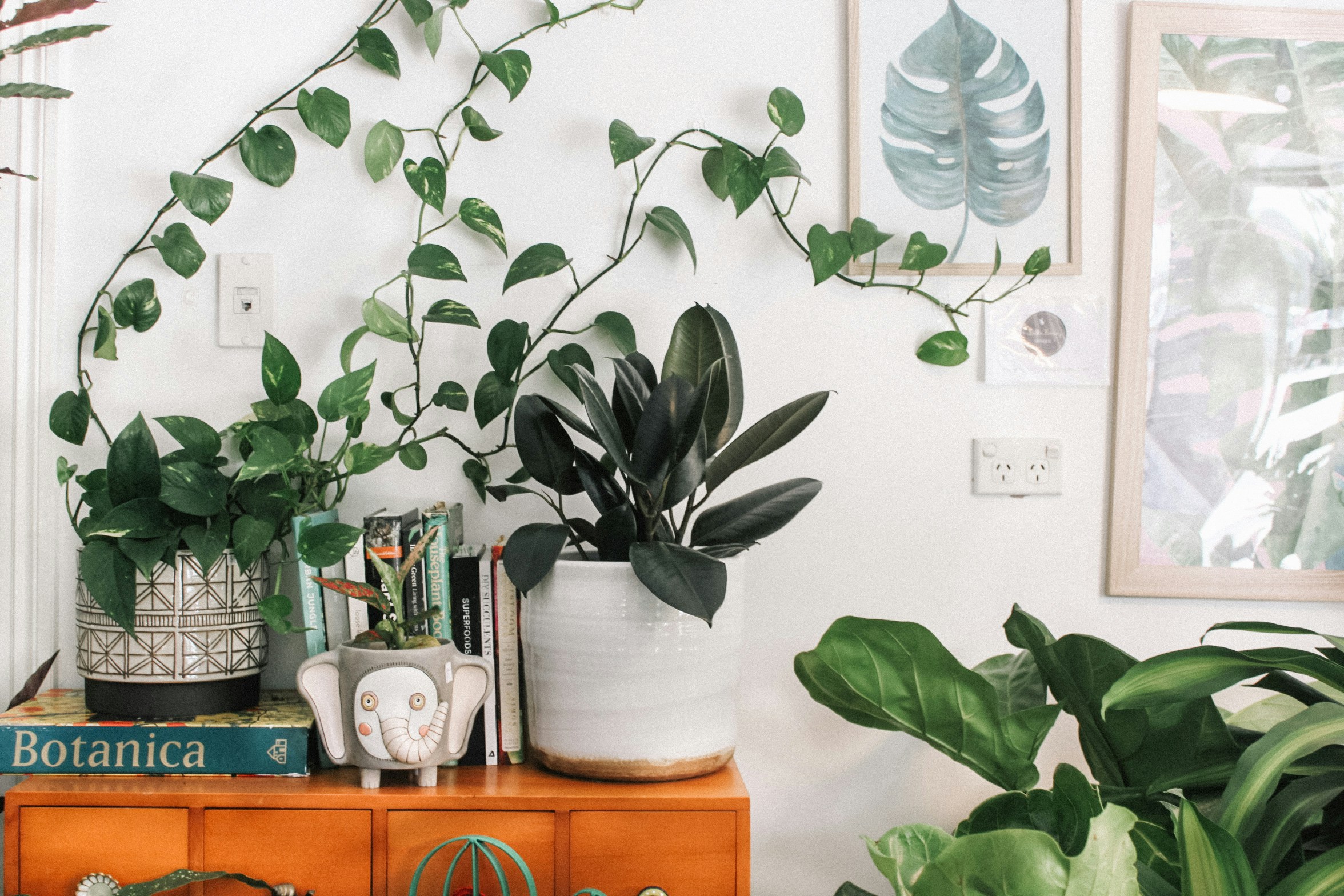
Gardening connects people with nature in a way that directly supports mental well-being. Firstly, research shows that spending time with plants reduces stress levels and lowers anxiety. As a result, people often feel calmer and more balanced after even short gardening sessions.
Moreover, natural environments help the brain shift away from constant worry and overstimulation. In addition, plants offer a slow and steady rhythm that encourages mindfulness. Consequently, gardening becomes a simple but powerful way to support emotional stability in daily life.
Why Gardening Feels So Calming
Gardening feels calming because it engages the senses gently and naturally. Firstly, the colors of plants, soil textures, and fresh scents work together to relax the nervous system. As a result, the brain begins to slow down and focus on the present moment.
Furthermore, gardening creates a break from screens and digital stress. In contrast, modern life often overwhelms people with constant alerts and fast information. Therefore, time spent with plants allows the mind to reset and recover.
How Gardening Reduces Stress and Anxiety
Gardening helps reduce stress it lowering cortisol levels. Firstly, studies show that touching soil and plants can improve mood within minutes. As a result, people feel more grounded and less overwhelmed.
Moreover, gardening encourages slow and steady breathing, which supports relaxation. In addition, repetitive tasks like watering or planting help the brain enter a calmer state. Consequently, anxiety often decreases when gardening becomes a regular habit.
The Role of Nature in Emotional Healing
Nature plays a strong role in emotional healing because it creates a sense of safety and balance. Firstly, green spaces signal the brain to relax and release tension. As a result, people often feel emotionally lighter when surrounded by plants.
Furthermore, natural environments reduce feelings of isolation and sadness. In contrast to indoor spaces, gardens offer open air and living energy. Therefore, spending time with plants can improve mood and emotional resilience over time.
Gardening as a Form of Mindfulness Practice
Gardening naturally supports mindfulness because it requires full attention to simple tasks. Firstly, planting seeds or trimming leaves keeps the mind focused on the present. As a result, negative thoughts often lose strength during gardening activities.
Moreover, mindfulness in gardening does not require special training or techniques. In addition, people can practice awareness simply by observing growth and change in plants. Consequently, gardening becomes an easy and accessible form of mental training.
How Gardening Builds Routine and Stability
Gardening builds routine because plants need regular care and attention. Firstly, this structure helps people create healthy daily habits. As a result, life feels more organized and predictable.
Furthermore, routine plays an important role in mental health recovery. In contrast, a lack of structure can increase stress and confusion. Therefore, gardening supports emotional stability by encouraging consistent and meaningful actions.
The Connection Between Soil and Mood Improvement
Soil plays an important role in mental health because it contains natural bacteria that may improve mood. Firstly, contact with soil can stimulate serotonin production in the brain. As a result, people often feel happier after gardening activities.
Moreover, working with soil provides a grounding physical experience. In addition, it helps people reconnect with their bodies and surroundings. Consequently, gardening supports both emotional and physical well-being.
Gardening for Depression Relief
Gardening can help reduce symptoms of depression by encouraging activity and engagement. Firstly, it motivates people to step outside and interact with nature. As a result, even small gardening tasks can improve energy levels.
Furthermore, caring for plants creates a sense of purpose and responsibility. In contrast, depression often reduces motivation and interest in daily life. Therefore, gardening can gently rebuild emotional drive and hope.
Social Benefits of Community Gardening
Community gardening improves mental health by encouraging social connection. Firstly, working with others reduces loneliness and builds a sense of belonging. As a result, people feel more supported and less isolated.
Moreover, shared gardening spaces create opportunities for communication and teamwork. In addition, these interactions occur in a relaxed, non-pressured environment. Consequently, social gardening strengthens emotional well-being through natural human connection.
Physical Activity and Mental Health Benefits
Gardening is a light physical activity that supports both the body and the mind. Firstly, movements such as digging, planting, and watering improve blood flow and energy levels. As a result, the body releases endorphins that enhance mood.
Furthermore, physical activity helps reduce tension and mental fatigue. In addition, gardening does not feel like structured exercise, which makes it more enjoyable. Therefore, it becomes a sustainable way to stay active and mentally healthy.
Gardening as a Long-Term Mental Health Tool
Gardening works as a long-term mental health tool because its benefits grow over time. Firstly, regular contact with plants strengthens emotional resilience. As a result, people become better at handling stress and challenges.
Moreover, watching plants grow creates a sense of progress and achievement. In contrast, many mental health struggles feel stagnant or overwhelming. Therefore, gardening offers a steady and hopeful path toward emotional balance.
Final Thoughts on the Healing Power of Plants
Gardening provides a simple and natural way to support mental health. Firstly, it reduces stress, improves mood, and encourages mindfulness. As a result, people often feel more connected and balanced in their daily lives.
Furthermore, plants offer quiet support without pressure or complexity. In addition, gardening can fit into almost any lifestyle or schedule. Consequently, it remains one of the most accessible and effective tools for emotional healing.