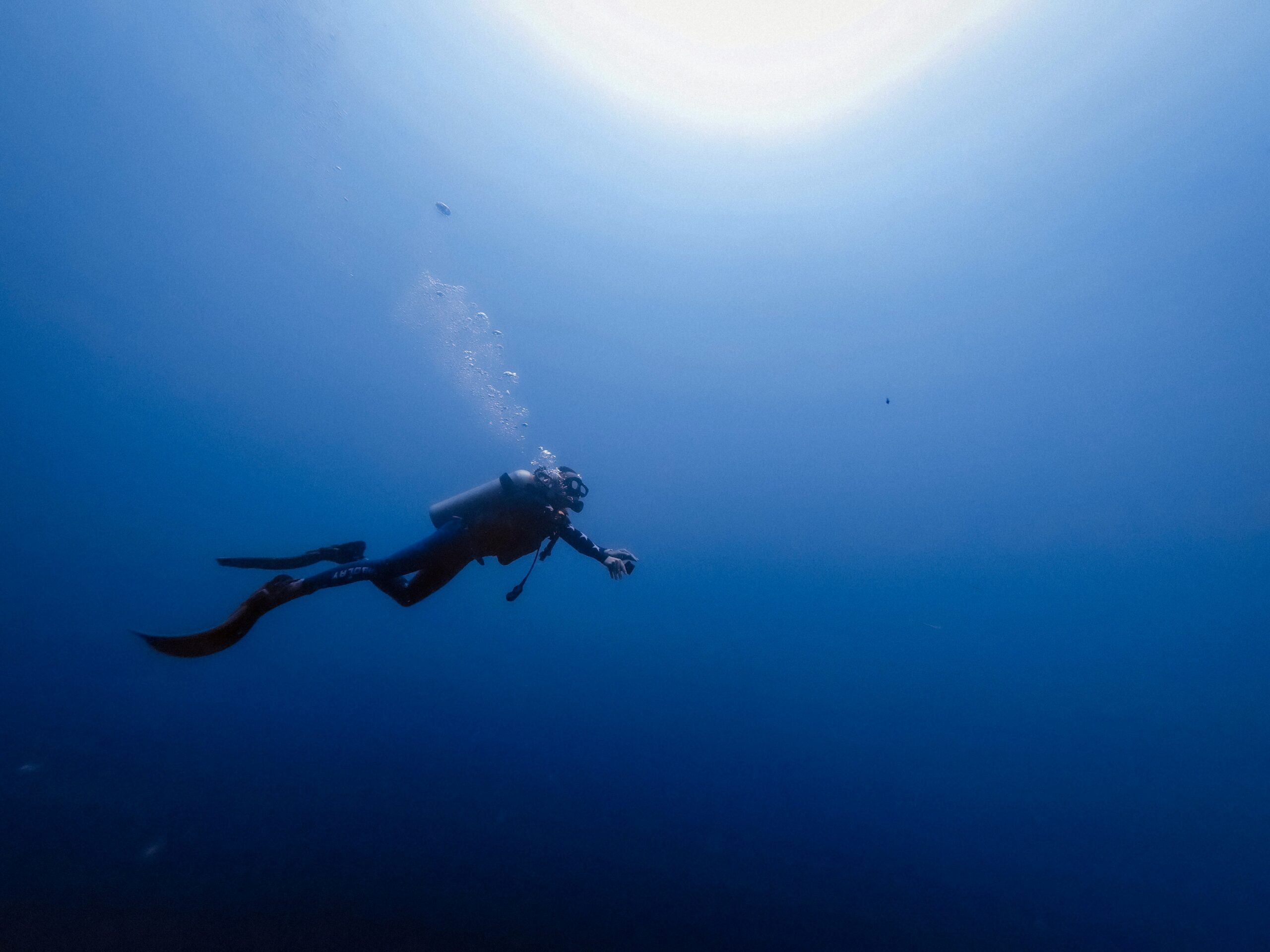
Scuba diving is more than a thrilling way to explore the ocean. It is also a full-body activity that can support physical fitness, mental calm, and emotional well-being. Divers move through water, control their breathing, and focus on the world around them. These actions create a unique mix of movement and relaxation. Unlike many sports, diving does not depend on speed or competition. It rewards patience, awareness, and steady control. The body works against water resistance while the mind stays focused on safety and breathing. This balance may explain why many divers feel refreshed after leaving the water. The scuba diving benefits can affect the lungs, muscles, heart, and mind at the same time. Diving is not a replacement for medical care or regular exercise. Still, when it is done safely and with proper training, it can be a valuable part of an active lifestyle.
Controlled Breathing Supports Calm and Focus
Breathing is one of the most important skills in scuba diving. Divers are taught to breathe slowly, deeply, and steadily through a regulator. This type of breathing helps conserve air and supports better control underwater. It may also help the nervous system move toward a calmer state. Slow breathing is often linked with relaxation because it can reduce the feeling of panic or stress. A diver must pay close attention to each breath, which creates a form of natural mindfulness. There is little room to think about emails, work problems, or daily pressure while checking air levels and watching the underwater environment. This focus keeps the mind in the present moment. Over time, divers may become more aware of how breathing affects their emotions. They may also learn to stay calmer when facing a difficult situation. These skills can be useful outside the water as well. A steady breathing pattern may help a person pause, think clearly, and respond with greater control during stressful moments.
Water Resistance Builds Strength and Endurance
Moving underwater requires more effort than moving through air. Water creates resistance in every direction, so the body must work with each kick and turn. The legs, hips, core, shoulders, and back all help the diver move and stay balanced. This can support muscle strength without the heavy impact linked with running or jumping. The buoyancy of water reduces pressure on many joints, which may make diving feel more comfortable than some land-based activities. Divers also carry equipment before and after entering the water. Tanks, weights, and other gear can be heavy, so handling them requires care and physical control. During the dive, smooth movement is more useful than fast movement. Divers learn to use long, steady kicks instead of wasting energy. This can improve muscular endurance over time. Good body position also depends on core control. A stable core helps the diver remain level and avoid damaging the sea floor. Regular diving may support overall fitness, but divers should still prepare with strength, mobility, and heart-friendly exercise on land.
Underwater Movement Encourages Heart and Lung Fitness
Scuba diving involves steady movement for an extended period. A normal dive may include swimming, kicking, climbing ladders, and managing equipment. These actions can raise the heart rate and support circulation. The body also uses oxygen while working against water resistance. This makes efficient breathing and good physical condition important for safe diving. Divers who improve their fitness may use less effort underwater and manage their air more effectively. They may also recover more easily after a long swim or a strong current. The physical benefits of scuba diving depend on the diver’s pace, skill, health, and dive conditions. Calm recreational diving may offer moderate activity, while current diving can require much more effort. Water temperature also affects the body because it works to maintain a safe internal temperature. Cold water can increase physical stress and energy use. For this reason, proper exposure protection is essential. Divers should never treat scuba as a test of endurance. Safe diving means staying within personal limits, maintaining proper fitness, and ending a dive before exhaustion begins.
Ocean Exploration Can Reduce Mental Overload
The underwater world provides a strong break from everyday noise. Phones do not ring beneath the surface, and social media cannot demand attention. The sounds are simple, often limited to breathing, bubbles, and distant movement. This change in the environment can give the mind a needed rest. Divers must remain alert, but their attention is directed toward clear and immediate tasks. They watch depth, air supply, direction, sea life, and their diving partner. This focused awareness may reduce mental clutter. The colors, shapes, and movements of marine life can also create a sense of wonder. Seeing a coral reef, sea turtle, or school of fish may help people feel connected to nature. This feeling can improve mood and shift attention away from personal stress. Diving also gives people a reason to slow down. Quick movements use more energy and air, so calm behavior is rewarded. As divers gain experience, they often become more confident in their ability to manage unfamiliar settings. That confidence can support a stronger sense of personal control.
Diving Develops Trust, Awareness, and Emotional Balance
Scuba diving is rarely a solo activity. Divers usually work with a buddy and depend on clear communication. They review plans, check equipment, and stay aware of each other throughout the dive. This process builds trust and shared responsibility. A good dive partner does not simply swim nearby. The partner watches for signs of stress, confusion, low air, or equipment trouble. Divers also learn to communicate through hand signals because speaking underwater is difficult. This encourages clear and direct communication. Every diver must also take responsibility for personal safety. They must know their limits, follow training rules, and make careful choices. These habits can strengthen decision-making and self-awareness. The mental health benefits of diving may also come from achievement. Learning to manage equipment, control buoyancy, and remain calm underwater can create a strong sense of progress. Each safe dive can build confidence and respect for personal limits. Diving can also create lasting friendships through shared travel, training, and exploration. When practiced responsibly, it offers a powerful mix of movement, mindfulness, teamwork, and connection with the natural world.