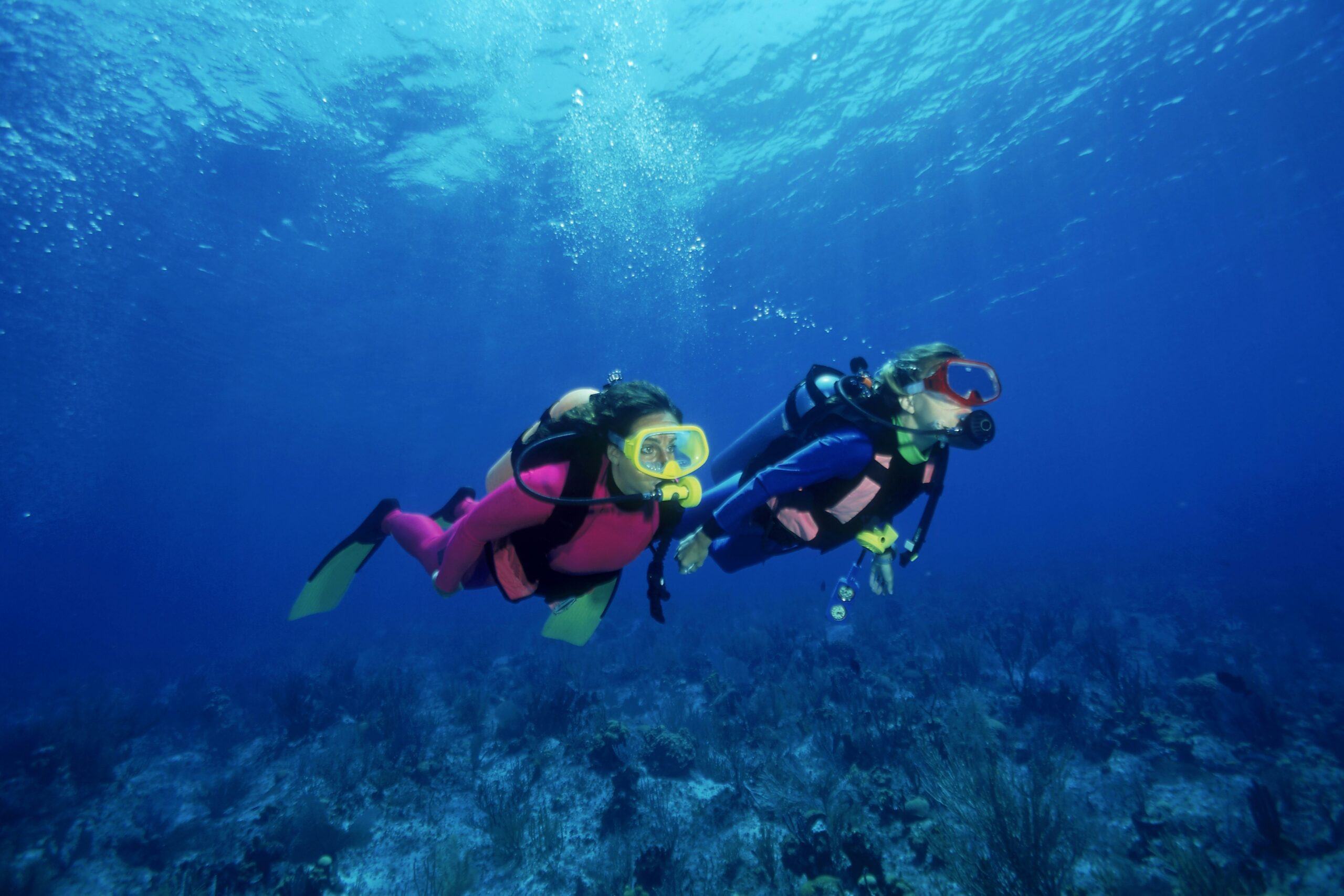
The connection between underwater experiences and human wellness continues to attract attention from scientists, health professionals, and adventure enthusiasts. Scuba Diving combines physical movement, controlled breathing, and peaceful surroundings to create an environment that can support both body and mind.
As modern research continues to explore the relationship between aquatic activities and health, many people are discovering how underwater exploration can contribute to improved fitness, reduced stress, and greater emotional balance. Furthermore, understanding the science behind these benefits helps explain why spending time beneath the surface can become a valuable part of a healthy lifestyle.
The Physical Fitness Benefits of Underwater Exploration
Underwater activities require steady movement, body control, and coordination, which can help improve overall physical conditioning. Unlike many traditional exercises, underwater movement creates natural resistance because water pushes against every motion. Therefore, even simple swimming movements can encourage muscle engagement while supporting joint-friendly exercise. This makes aquatic activities appealing for individuals who want effective workouts with less pressure on their bodies.
Additionally, underwater environments encourage better endurance and body awareness. Divers often practice controlled movements that require balance, flexibility, and strength. Over time, these habits can contribute to improved cardiovascular performance and stronger muscles. Moreover, the calming nature of water allows people to stay active while enjoying a more relaxing form of physical exercise.
How Controlled Breathing Improves Body Function
Breathing techniques play an important role in underwater activities because participants must maintain calm and consistent breathing patterns. As a result, many individuals develop better respiratory awareness and learn how to manage their breathing during physical challenges. These skills can encourage relaxation while helping people become more aware of how their bodies respond to stress.
Furthermore, controlled breathing may support improved oxygen efficiency and emotional regulation. When people focus on slow and steady breaths, they often experience a calmer mental state. In addition, this practice can help develop concentration and patience, which are valuable skills that extend beyond underwater environments and into everyday life.
The Mental Wellness Impact of Peaceful Environments
The underwater world offers a unique setting that can reduce distractions and encourage mindfulness. Many people experience a sense of calm when surrounded by quiet ocean landscapes, gentle movements, and natural marine environments. Consequently, these peaceful conditions may help lower daily stress and create opportunities for mental renewal.
Moreover, Scuba Diving provides an opportunity to disconnect from constant digital activity and focus on the present moment. This temporary escape from everyday pressures can support emotional balance and encourage a healthier mindset. As a result, underwater experiences may become a meaningful way to improve relaxation and overall mental wellness.
Stress Reduction Through Aquatic Experiences
Water has long been associated with relaxation because it creates a soothing environment for the human body. When individuals participate in underwater activities, they often experience slower movements and increased focus. Therefore, these conditions can help reduce feelings of tension and encourage a more peaceful state of mind.
In addition, spending time in aquatic environments may support positive emotional responses by creating enjoyable and memorable experiences. Many participants report feelings of accomplishment and confidence after completing underwater activities. Because of this, aquatic adventures can contribute to stronger self-esteem and improved emotional resilience.
Supporting Cardiovascular and Circulatory Health
Physical activity in water can provide valuable support for heart and circulation health. The resistance created by water encourages continuous movement, which can help strengthen cardiovascular endurance. Furthermore, regular aquatic exercise may support better stamina and overall energy levels when combined with a balanced lifestyle.
However, maintaining proper preparation and safety practices remains essential for healthy participation. Individuals should understand their physical abilities and follow professional guidance when beginning underwater activities. By approaching these experiences responsibly, people can enjoy potential wellness advantages while protecting their long-term health.
Building Confidence Through New Challenges
Learning underwater skills often requires commitment, focus, and problem-solving abilities. As individuals develop new techniques, they may experience increased confidence and a stronger belief in their personal abilities. Therefore, challenging experiences in underwater settings can support personal growth and encourage a more positive outlook.
Additionally, overcoming unfamiliar situations can strengthen emotional resilience. People who successfully manage new environments often develop greater confidence in handling other challenges. This benefit extends beyond physical activity because personal achievement can influence motivation, discipline, and self-improvement.
The Role of Nature in Human Wellness
Connecting with natural environments can provide important benefits for emotional health. Ocean settings offer unique sights, sounds, and experiences that allow individuals to interact with nature in a meaningful way. Consequently, these interactions can encourage relaxation and create stronger connections with the natural world.
Furthermore, observing marine life and underwater ecosystems can inspire curiosity and appreciation for environmental protection. Many people develop a deeper respect for nature after exploring aquatic environments. As a result, these experiences can support both personal wellness and greater awareness of the importance of preserving natural spaces.
Creating a Balanced Lifestyle Through Active Experiences
A healthy lifestyle involves more than physical exercise alone. It also includes mental relaxation, meaningful experiences, and activities that support emotional well-being. Scuba Diving represents one example of how active recreation can combine fitness, exploration, and mindfulness in a single experience.
Maintaining wellness requires consistent choices that support the body and mind. Underwater activities can become part of a broader approach to healthy living when combined with proper nutrition, regular physical exercise, and responsible habits. Therefore, understanding the science behind these experiences helps people make informed decisions about activities that support long-term wellness.