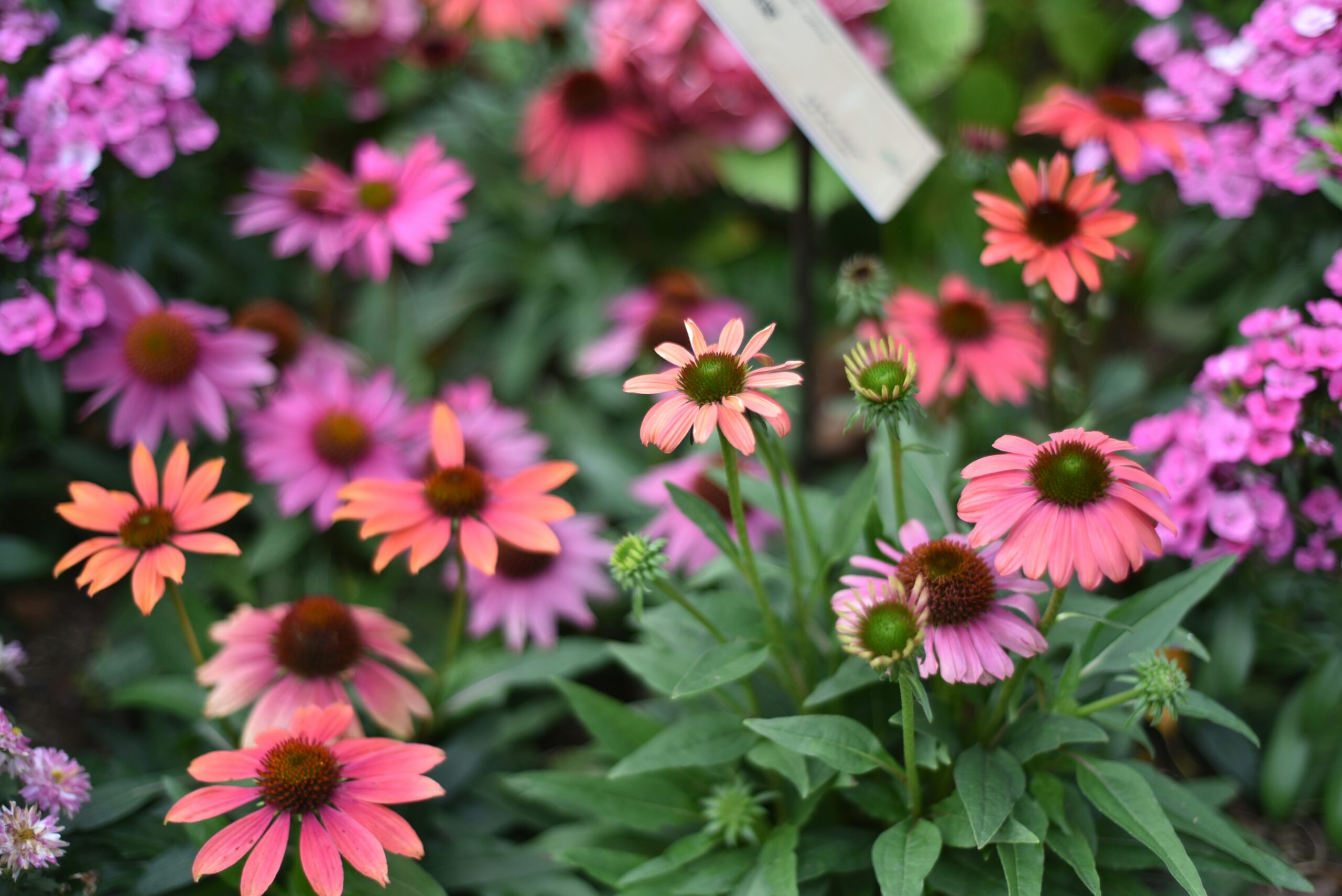
A thoughtfully planned healing garden can turn an ordinary outdoor space into a peaceful place for rest, reflection, and renewal. It does not need to be large, expensive, or filled with rare plants. Instead, a successful healing space uses nature, comfort, gentle sensory experiences, and simple design choices to help people slow down. When each part of the garden has a purpose, the space can become a welcoming retreat from the noise and pressure of everyday life.
Start With a Clear Purpose
Before choosing plants or buying outdoor furniture, think about how you want to use the garden. Some people want a quiet place for reading or meditation. Others may need an outdoor area that supports recovery after illness, injury, or a stressful period.
The purpose will guide almost every design decision. For example, someone with limited mobility may benefit from wide, level paths and raised planting beds. A person looking for emotional renewal may prefer private seating surrounded by greenery.
Try to keep the overall plan simple. A healing space should feel easy to understand and comfortable to move through. Too many decorations, colors, or competing features can make a garden feel busy rather than peaceful.
Choose a Quiet and Comfortable Location
If you have several possible locations, look for an area protected from heavy traffic, loud equipment, and frequent interruptions. A corner of a backyard, a sheltered patio, or even a small balcony can work well.
Pay attention to sunlight throughout the day. Gentle morning light may create a pleasant place to begin the day, while afternoon shade can make the garden more comfortable during warmer months.
Privacy also matters. Fences, shrubs, trellises, bamboo screens, or climbing plants can create a sense of separation without making the area feel closed in. The goal is to provide enough privacy for people to relax naturally.
Make Nature the Main Feature
Plants should play a central role in a restorative outdoor space. Greenery can soften hard surfaces, create privacy, provide shade, and make the area feel more connected to the natural world.
Choose plants that suit your local climate and the amount of sunlight available. Healthy plants are usually more relaxing than plants that constantly struggle because they are growing in the wrong conditions.
Consider using different heights and textures. Small ground covers can soften the edges of paths, while medium shrubs add structure. Taller plants and small trees can create shade and a greater sense of enclosure.
However, avoid overcrowding. Leaving open areas between groups of plants gives the eye somewhere to rest.
Engage the Senses Gently
A healing space can become more immersive when it appeals to several senses. However, sensory features should remain gentle rather than overwhelming.
Fragrant plants can add another layer to the experience. Lavender, rosemary, jasmine, mint, and other aromatic plants may work well depending on the climate and growing conditions. Place fragrant varieties near seating areas or paths where visitors can notice them naturally.
Sound can also shape the atmosphere. Rustling grasses, moving leaves, birds, and a small water feature can help soften unwanted background noise. Even a simple fountain can create a steady sound that makes nearby distractions less noticeable.
Texture provides another opportunity. Smooth stones, soft leaves, ornamental grasses, wooden surfaces, and textured bark can make the garden interesting without relying on bright colors.
Build Paths That Feel Safe and Natural
Paths influence how people experience a garden. In a restorative garden, walkways should invite slow, comfortable movement instead of creating obstacles.
Keep important paths stable, reasonably smooth, and easy to follow. Avoid unnecessary steps or sudden changes in level, especially when designing for older adults or people recovering from injuries. Wider paths can also make the space easier to use with mobility aids.
Curved paths can create a gentle sense of discovery, particularly in larger spaces. However, function should come first. Visitors should be able to understand where a path leads without becoming confused.
Materials also affect comfort. Gravel can look attractive, but loose surfaces may be difficult for some people to walk or roll across. Firm paving, compact surfaces, or properly installed stone may provide better accessibility.
Create Comfortable Places to Sit
Rest is central to the garden, so seating deserves careful attention. A beautiful bench is not useful if it is uncomfortable, exposed to intense sunlight, or placed beside a noisy area.
Provide seating with good support when possible. Chairs or benches with backs and armrests can make sitting down and standing up easier for many people.
Think about the view from each seat as well. Instead of pointing a chair toward a blank wall, position it toward flowers, trees, water, wildlife activity, or another calming focal point.
If space allows, create more than one seating area. One might be sunny in the morning, while another provides shade later in the day. A private seat for one person can encourage reflection, while a larger seating area can support quiet conversation with family or friends.
Use Water With Purpose
Water can become a strong focal point without dominating the garden. A small fountain, shallow basin, or gently moving water feature can provide both visual interest and soothing sound.
Keep maintenance in mind. Complicated ponds and large water systems may require regular cleaning and equipment care. If easy maintenance is important, a compact recirculating fountain may be a more practical choice.
Safety should also guide the design, especially in gardens used by children, older adults, or people with mobility challenges.
If a water feature is not practical, you can create a similar feeling through other elements. Blue-green plants, smooth stones, reflective surfaces, or flowing ornamental grasses can introduce some of the visual qualities associated with water.
Select a Calm Color Palette
Color affects the character of an outdoor space. A healing garden does not have to avoid bright flowers, but using them carefully can help maintain a peaceful atmosphere.
Green should usually provide the foundation because plants naturally supply many shades of it. White, pale blue, soft purple, and gentle pink flowers can create subtle accents. Brighter colors can then appear in smaller groups as seasonal highlights.
Repeating a few colors throughout the garden can also create visual unity. Rather than planting every available flower color, choose a limited palette and repeat it in different areas.
This approach makes the space feel connected and intentional.
Invite Wildlife Without Creating Chaos
Birds and butterflies can bring movement and life to a quiet garden. Native flowering plants, shrubs, and small trees can provide food or shelter for local wildlife.
A birdbath can also create an attractive focal point. Keep it clean and position it where visitors can enjoy watching birds without disturbing them.
However, consider the needs of the people using the garden. Someone with a strong fear of bees, for example, may not enjoy sitting directly beside plants that attract large numbers of pollinators. Place wildlife-friendly areas where they add interest without interfering with relaxation.
Think About Accessibility
A garden designed for recovery should be comfortable for the people who will actually use it. Accessibility can include more than wheelchair access.
Raised beds can reduce the need to bend or kneel. Handrails can provide additional support on slopes. Clear path edges can make navigation easier, while shaded resting points can help people who tire quickly.
Keep frequently used areas relatively close together. Someone recovering from surgery or illness may not want to cross a large yard simply to reach a comfortable chair.
Lighting can improve evening usability as well. Low-level path lights can make routes easier to see without flooding the garden with harsh brightness.
Keep Maintenance Manageable
An outdoor sanctuary can lose its relaxing quality if maintaining it becomes a constant source of work. Therefore, design according to the amount of time and energy available for upkeep.
Choose reliable plants suited to local growing conditions. Mulch can help control weeds and reduce moisture loss. Drip irrigation or another efficient watering system may also reduce routine work.
Perennials can limit the need for frequent replanting, while evergreen shrubs can provide year-round structure. At the same time, a few seasonal plants can keep the space changing throughout the year.
It is often better to create a smaller, healthy garden than a large space that becomes difficult to manage.
Add Personal Meaning
A therapeutic outdoor space should not feel like a showroom. Personal details can make it more comforting and familiar.
A favorite plant, meaningful stone, small sculpture, wind chime, or handmade planter can give the space character. Some people may also enjoy creating a memory garden with plants connected to important people or moments.
Still, use decorative elements selectively. A few meaningful objects can have more emotional impact than dozens of unrelated ornaments.
Design for Every Season
A garden changes constantly, and that change can be part of its appeal. Consider what the space will offer throughout the year rather than focusing only on peak flowering season.
Spring bulbs can signal new growth. Summer foliage can provide shade and fullness. Autumn leaves and grasses can introduce warm colors and movement. Evergreen plants, bark, seed heads, and garden structures can maintain interest during winter.
Seasonal change can help make regular visits to the garden feel fresh. There is often something new to notice, even when the overall design remains familiar.
Let Simplicity Guide the Final Design
You do not need a huge budget or professional landscape to create an outdoor space that encourages rest. Start with the essentials: comfortable seating, healthy plants, safe movement, some privacy, and a peaceful atmosphere. Then add sensory and decorative features only when they improve the experience.
Most importantly, allow the garden to develop over time. Plants grow, preferences change, and you may discover that certain areas are used more often than expected. A flexible design makes it easier to adapt the space instead of trying to make everything perfect immediately.
A well-planned recovery garden ultimately gives people somewhere comfortable to slow down and reconnect with the natural world. Whether it occupies a spacious backyard or a tiny patio, thoughtful choices can create a place that feels welcoming and restorative. The best garden is one people genuinely want to return to for quiet moments, fresh air, and renewed energy.