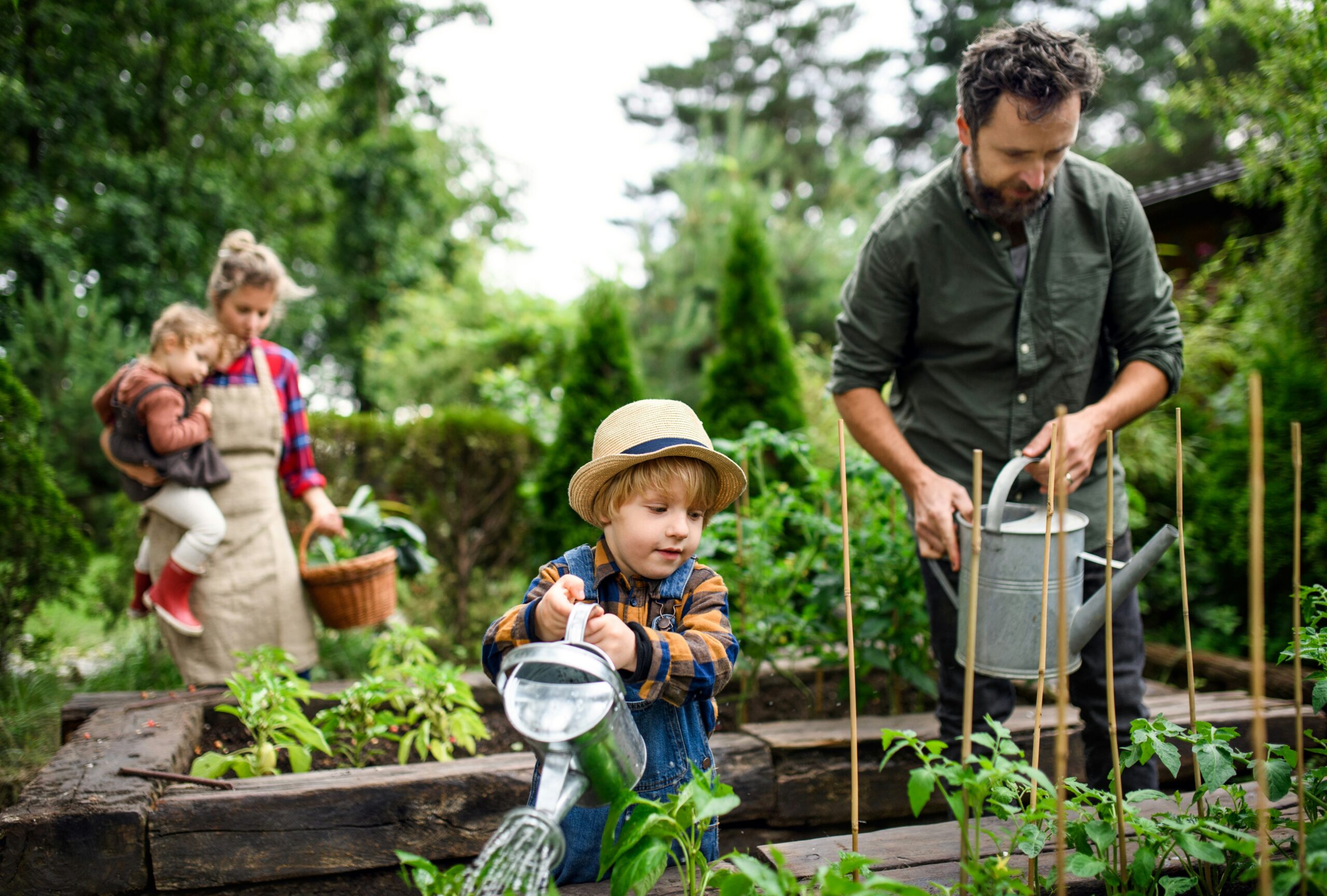
Post-traumatic stress disorder can affect nearly every part of daily life. A person may struggle with anxiety, unwanted memories, sleep problems, irritability, or a constant sense of danger. These symptoms can make ordinary activities feel difficult. Professional treatment plays an important role in recovery, but supportive activities can also help people build healthier routines. Gardening may offer a peaceful, meaningful way to support emotional well-being.
Horticulture brings people into direct contact with plants, soil, sunlight, and natural surroundings. It also gives them simple tasks that require attention without creating intense pressure. Planting seeds, watering flowers, pulling weeds, and watching new growth can create calm moments. While gardening does not replace professional PTSD treatment, it can complement appropriate care and provide a positive outlet during the recovery process.
Creating a Calmer Environment
People living with PTSD may experience periods of heightened alertness. Their minds and bodies can remain prepared for danger even when they are in a safe place. This state can make relaxation difficult. A garden offers a different kind of environment. Natural sounds, fresh air, plants, and open space can create a setting that feels less demanding than a busy indoor environment.
Moreover, gardening encourages people to slow their pace. Plants cannot be rushed. Seeds need time to sprout, and flowers need time to bloom. Following this natural rhythm can help shift attention away from constant urgency. Over time, spending quiet periods in a garden may become part of a calming routine that supports emotional balance.
Bringing Attention Back to the Present
PTSD can pull attention toward painful memories or fears about what might happen next. Gardening naturally encourages attention to what is happening right now. A gardener may focus on the soil’s texture, the shape of a leaf, the smell of herbs, or the sound of nearby birds. These simple sensory experiences can help anchor attention in the present moment.
Garden tasks also require gentle concentration. Someone planting a seedling must notice its depth, position, and surrounding soil. Watering plants requires attention to their condition and needs. These activities give the mind a clear and manageable focus. As a result, gardening can offer a healthy break from distressing thought patterns without requiring someone to force those thoughts away.
Building Routine and a Sense of Purpose
PTSD can disrupt routines and make daily life feel unpredictable. Gardening introduces structure naturally. Plants need regular watering, pruning, feeding, and observation. These responsibilities can encourage someone to build small daily or weekly habits. Even caring for a few indoor plants can create a useful routine.
At the same time, caring for living things can create a meaningful sense of purpose. A plant responds to consistent care by developing new leaves, flowers, fruits, or vegetables. Seeing this progress can provide a visible reminder that steady effort matters. For someone rebuilding confidence after trauma, these small signs of progress may offer encouragement and a stronger sense of personal accomplishment.
Supporting Healthy Physical Activity
Gardening can also encourage gentle physical movement. Digging, planting, carrying soil, watering, and pulling weeds involve different muscle groups. You can adjust the activity level to suit your comfort and physical ability. Therefore, gardening can offer movement without the pressure that sometimes comes with formal exercise programs.
Physical activity can also support general well-being and healthy sleep habits. Spending appropriate time outdoors may add the benefits of fresh air and daylight exposure. For people whose PTSD symptoms make it difficult to begin demanding activities, gardening can provide an approachable starting point. The goal does not need to be a perfect garden. Regular movement and meaningful engagement can be valuable on their own.
Restoring a Sense of Control
Traumatic experiences can leave people feeling powerless. PTSD symptoms may also seem unpredictable, which can make that feeling even stronger. Gardening offers many small opportunities to make choices. A gardener decides what to plant, where to place it, how to care for it, and how to organize the surrounding space. These decisions can help restore a practical sense of control.
Of course, gardens are not completely predictable. Weather changes, plants sometimes fail, and pests can appear. However, these challenges can offer manageable opportunities to adapt. A gardener can try a new location, change a watering routine, or plant something different. Learning to respond to small setbacks may strengthen patience and flexibility in a setting where the consequences remain relatively low.
Encouraging Positive Emotional Experiences
PTSD can make it harder to experience pleasure, interest, or connection. Gardening creates opportunities for small positive moments. A new sprout, a blooming flower, or the first ripe tomato can become a source of satisfaction. These moments may seem simple, but they can add meaningful experiences to a person’s day.
Furthermore, gardening gives people something to anticipate. A gardener can look forward to seeing whether seeds have germinated or whether a plant will flower. This focus on future growth can create gentle feelings of hope and curiosity. Instead of expecting immediate results, the person learns to recognize gradual progress. That perspective can be valuable during recovery, which often develops through many small steps.
Creating Opportunities for Social Connection
Gardening can be a private activity, but it can also bring people together. Community gardens, horticultural programs, neighborhood projects, and shared home gardens provide opportunities for connection. Working alongside others can make conversation feel more natural because everyone has a shared task. This may feel less demanding than entering a social setting where conversation is the main focus.
Shared gardening can also create a sense of contribution. A person may grow vegetables for family members, share flowers with neighbors, or help maintain a community space. These actions can strengthen feelings of connection and usefulness. For someone who has become socially withdrawn because of PTSD symptoms, gardening may provide a gradual and comfortable way to reconnect with others.
Making Gardening Part of a Broader Recovery Plan
Gardening works best as a supportive wellness activity rather than a replacement for evidence-based PTSD care. PTSD can be complex, and people may benefit from working with qualified mental health professionals. Therapy, medical care, social support, healthy routines, and meaningful activities can work together as parts of a broader recovery plan. Gardening can fit naturally into that larger approach.
It is also helpful to begin at a comfortable level. You don’t need a large yard or expensive equipment. A few herbs near a sunny window, flowers in containers, or a small vegetable bed can provide meaningful engagement. The activity should feel manageable, not overwhelming. Starting small makes it easier to build a routine and discover which parts of gardening feel most beneficial.
Growing Hope One Day at a Time
Gardening reflects an important truth about recovery. Meaningful change often takes time. A seed does not become a mature plant overnight, and healing rarely follows a perfectly straight path. Both processes require patience, attention, and continued care. Gardening provides a visible reminder that progress can happen gradually, even when immediate change is difficult to see.
Ultimately, horticulture can offer more than beautiful plants or fresh vegetables. It can create peaceful routines, encourage movement, strengthen focus, and provide opportunities for connection and accomplishment. For people experiencing PTSD symptoms, those benefits may support a greater sense of stability and hope. Gardening is not a cure for PTSD, but when used alongside appropriate professional care, it can become a meaningful part of the journey toward improved well-being.