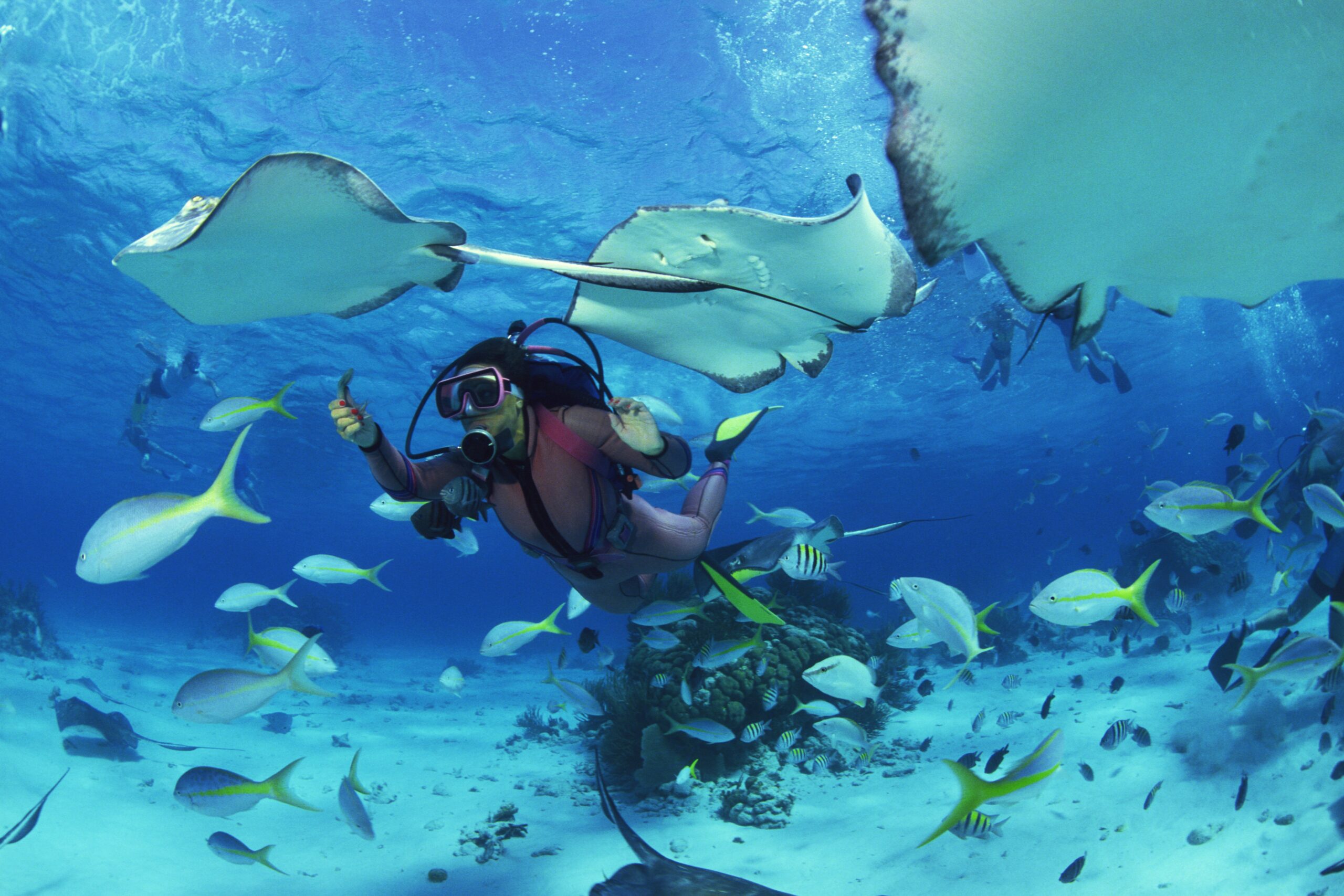
Scuba diving offers an exciting way to explore the underwater world, observe marine life, and experience environments that remain hidden from most people. However, because divers depend on specialized equipment while breathing underwater, safety must always come first. Before taking the plunge, every diver should understand basic procedures, recognize personal limits, and prepare for unexpected situations. In addition, proper training and careful planning can significantly reduce avoidable risks and make each dive more enjoyable. Whether you are preparing for your first open-water dive or refreshing your skills after a long break, these scuba diving safety tips can help you build safer habits underwater.
Complete Proper Training Before Diving
First, every new diver should complete training through a qualified scuba diving instructor or recognized training organization. Classroom instruction alone is not enough because divers also need practical experience in a controlled environment. During training, you learn essential skills such as regulator recovery, mask clearing, buoyancy control, equipment checks, and emergency procedures. Moreover, instructors teach you how pressure affects your body and equipment as you descend and ascend. This knowledge provides the foundation you need before entering open water.
Similarly, experienced divers should refresh their skills when they have not dived for an extended period. Even familiar procedures can become less automatic after months or years away from diving. Therefore, a refresher session can help you regain confidence and identify skills that need additional practice. If you feel uncertain about a particular technique, practice it with an instructor rather than attempting to relearn it during a challenging dive.
Check Your Equipment Carefully
Before every dive, inspect your equipment systematically. Start with your tank, regulator, buoyancy compensator device, dive computer, mask, fins, exposure protection, and other required gear. In addition, check connections for signs of damage, make sure valves operate properly, and confirm that your regulator delivers air normally. If you use rental equipment, ask the dive operator to explain unfamiliar features before entering the water. A small equipment problem is much easier to address on the surface than underwater.
Furthermore, perform a buddy equipment check before you descend. Confirm that both divers understand how each other’s essential equipment works, including air supplies, weight systems, and alternate air sources. Next, discuss how you will communicate underwater and what you will do if one diver experiences a problem. This simple preparation can save valuable time during an emergency because neither diver has to figure out unfamiliar equipment under pressure.
Plan Your Dive Before Entering the Water
Next, create a clear dive plan before you enter the water. Consider the planned depth, expected bottom time, entry and exit points, current conditions, visibility, water temperature, and available air supply. Also, understand the site’s hazards and listen carefully to the dive briefing. Local guides can provide important information about currents, boat traffic, marine life, terrain, and emergency procedures. Consequently, a few minutes of planning can help you avoid problems that might otherwise develop underwater.
In addition, agree on limits with your buddy before the dive begins. Discuss maximum depth, turnaround points, communication signals, and procedures for separation. If conditions become worse than expected, be prepared to end the dive rather than continuing simply because you have not reached the planned objective. Most importantly, remember that the dive plan should serve your safety, not the other way around. Conditions can change quickly, so responsible divers adjust their plans when circumstances require it.
Monitor Your Air Supply and Depth
While underwater, monitor your air supply frequently rather than waiting until the gauge reaches a low level. At the same time, pay attention to your depth, dive time, and other information displayed by your dive computer or instruments. As you descend, water pressure increases, which affects both gas consumption and the air spaces in your body. Therefore, regular monitoring helps you make timely decisions about when to ascend and when to end the dive.
Likewise, avoid becoming so distracted by scenery or photography that you neglect your instruments. Beautiful coral, unusual fish, and interesting underwater formations can easily capture your attention. However, safety information must remain your priority. Check your gauges regularly, maintain awareness of your surroundings, and stay within the limits established by your training and dive plan. If something does not feel right, communicate with your buddy and consider ending the dive.
Control Your Buoyancy
Good buoyancy control improves both safety and comfort. When you maintain neutral buoyancy, you can move through the water efficiently without constantly swimming upward or downward. In addition, proper buoyancy helps protect coral reefs and other fragile underwater environments because you are less likely to touch or kick them accidentally. With practice, controlled breathing and appropriate weighting can help you maintain a stable position in the water.
However, buoyancy can change during a dive as you consume air and move between different depths. Consequently, divers must make small adjustments rather than relying on one setting throughout the entire dive. Avoid adding or releasing large amounts of air unnecessarily, and practice controlling your position with calm breathing. Over time, these habits can reduce effort, conserve air, and make ascents and descents more controlled.
Ascend Slowly and Follow Your Dive Computer
A controlled ascent is one of the most important parts of a safe dive. During ascent, surrounding pressure decreases, allowing gases in your body and equipment to expand. Therefore, divers must follow appropriate ascent procedures and avoid rapid ascents. Your dive computer can provide important guidance about ascent rates, depth limits, and required stops, but you should also understand the principles behind the information it provides.
Additionally, never treat a dive computer as permission to exceed your training or personal limits. Follow the manufacturer’s instructions and your training agency’s procedures for using the device. If you receive a warning, follow the appropriate response rather than ignoring it. Furthermore, completing a safety stop when conditions and procedures call for one can add an additional margin of caution, although it does not eliminate all diving risks.
Respect Weather, Water Conditions, and Marine Life
Finally, pay close attention to environmental conditions. Strong currents, poor visibility, cold water, rough surfaces, changing weather, and heavy boat traffic can create additional hazards. Therefore, listen to local dive professionals and review current conditions before entering the water. If conditions exceed your experience or training, choose another site or postpone the dive.
At the same time, respect marine life and underwater ecosystems. Do not chase, grab, feed, or unnecessarily touch animals, and avoid standing on or damaging coral. Furthermore, maintain appropriate distance from wildlife and follow local conservation rules. By diving responsibly, you protect yourself while also helping preserve the underwater environments that make scuba diving so rewarding.