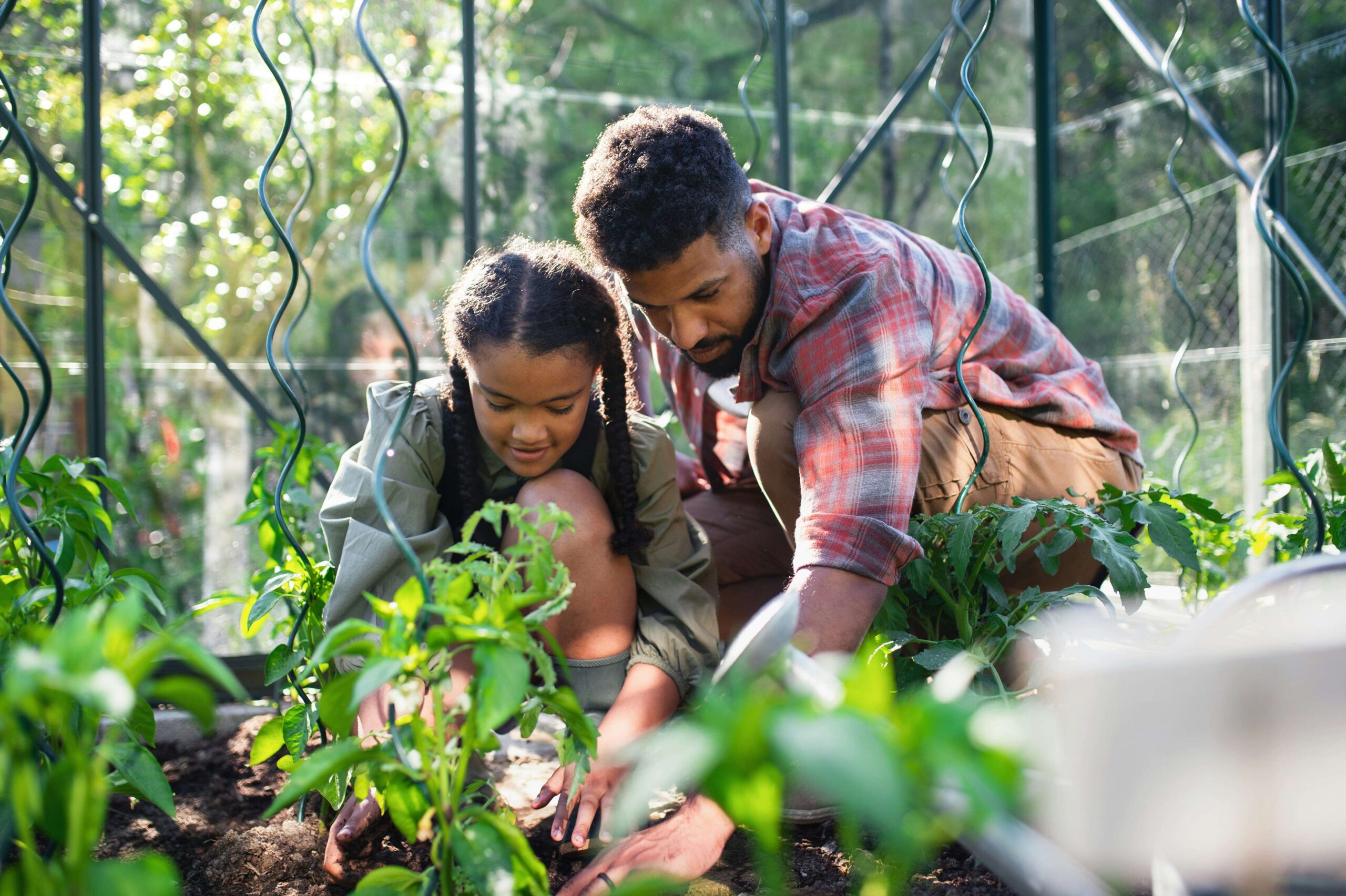
Gardening is more than a relaxing outdoor activity. It is a meaningful way to support emotional well-being, reduce everyday stress, and improve mental health. Whether someone grows flowers, plants vegetables, or cares for a few herbs in containers, spending time with plants can create a sense of peace and purpose. In a busy world of responsibilities, deadlines, and constant distractions, gardening offers a chance to slow down and reconnect with nature. Its simple routines and natural surroundings can positively influence mood, encourage mindfulness, and support a healthier lifestyle.
Gardening Helps Reduce Everyday Stress
One of the most valuable benefits of gardening is its ability to reduce stress. Spending time outdoors, touching soil, watering plants, and observing new growth can create a calming experience. These activities encourage people to focus on the present moment instead of worrying about daily problems.
Gardening also provides a peaceful break from digital devices, work pressure, and other distractions. The natural environment can help relax the mind and create a more comfortable emotional state. Even a short gardening session can provide a refreshing change of pace and help people feel less overwhelmed.
Connecting With Nature Improves Mood
Nature positively influences emotional health. Green spaces, colorful flowers, fresh air, and natural sunlight can create a pleasant environment that supports a better mood. Gardening allows people to experience these benefits directly through regular interaction with the natural world.
Watching a seed develop into a healthy plant can also bring happiness and satisfaction. These small moments of progress provide something positive to look forward to. Regular contact with nature may help reduce feelings of frustration, loneliness, and emotional exhaustion while encouraging a more optimistic outlook.
Growing Plants Builds a Sense of Purpose
Having something to care for can give daily life greater meaning. Plants need attention, water, sunlight, and regular maintenance. These responsibilities create a simple routine that encourages consistency and commitment.
For people experiencing emotional difficulties, having a gardening routine can provide a helpful sense of direction. Caring for living things can make individuals feel needed and productive. Seeing plants grow because of their efforts also creates a rewarding experience that strengthens confidence and personal satisfaction.
Gardening Encourages Mindfulness and Relaxation
Mindfulness means paying attention to the present moment without becoming distracted by unnecessary thoughts. Gardening naturally encourages this practice. When people prepare soil, remove weeds, trim leaves, or water flowers, they often become more focused on what they are doing.
Noticing the texture of the soil, the smell of fresh herbs, and the appearance of growing plants can create a peaceful mental experience. This awareness may help reduce overthinking and encourage emotional balance. Gardening provides a simple way to practice mindfulness without needing special equipment or complicated techniques.
Physical Activity Supports Mental Health
Gardening involves several gentle physical activities, including digging, planting, carrying pots, watering, and walking around the garden. These movements help people stay active while enjoying the outdoors.
Regular physical activity is associated with improved mood, better sleep, and reduced stress. Gardening makes movement enjoyable because it combines exercise with a meaningful activity. Unlike structured workouts, it allows people to work at their own pace and choose tasks that match their physical abilities.
Gardening Strengthens Confidence and Self-Esteem
Growing healthy plants requires patience, attention, and effort. Although some plants may struggle or fail to grow, every gardening experience offers a chance to learn something new. Over time, people develop practical skills and become more confident in their abilities.
Successfully growing flowers, vegetables, or herbs can create a strong feeling of accomplishment. These achievements, even when small, remind individuals that their efforts can produce positive results. This sense of progress may strengthen self-esteem and encourage a more positive attitude toward everyday challenges.
Shared Gardening Creates Meaningful Social Connections
Gardening does not have to be a solitary activity. Families, friends, neighbors, and community members can work together to maintain gardens and share their experiences. These interactions create opportunities for conversation, cooperation, and friendship.
Community gardening can be especially valuable for people who feel isolated or disconnected. Sharing seeds, exchanging gardening advice, and celebrating successful harvests can strengthen relationships. Positive social connections play an important role in emotional well-being and can help people feel more supported.
Small Gardening Habits Can Make a Difference
People do not need a large backyard to enjoy the emotional benefits of gardening. A few indoor plants, balcony containers, or small herb pots can provide a meaningful connection with nature. Starting with easy-to-grow plants makes the experience more manageable and enjoyable.
The key is to approach gardening as a relaxing activity rather than another responsibility. Spending a little time caring for plants each day can create a comforting routine and encourage healthier habits.
Gardening offers a natural and enjoyable way to support emotional well-being and mental health. Through stress relief, mindfulness, physical activity, personal achievement, and social connection, it can bring greater balance to everyday life. Although gardening is not a replacement for professional mental health care, it can be a valuable part of a healthy lifestyle. With patience and regular attention, even a small garden can become a peaceful space for personal growth, relaxation, and emotional renewal.