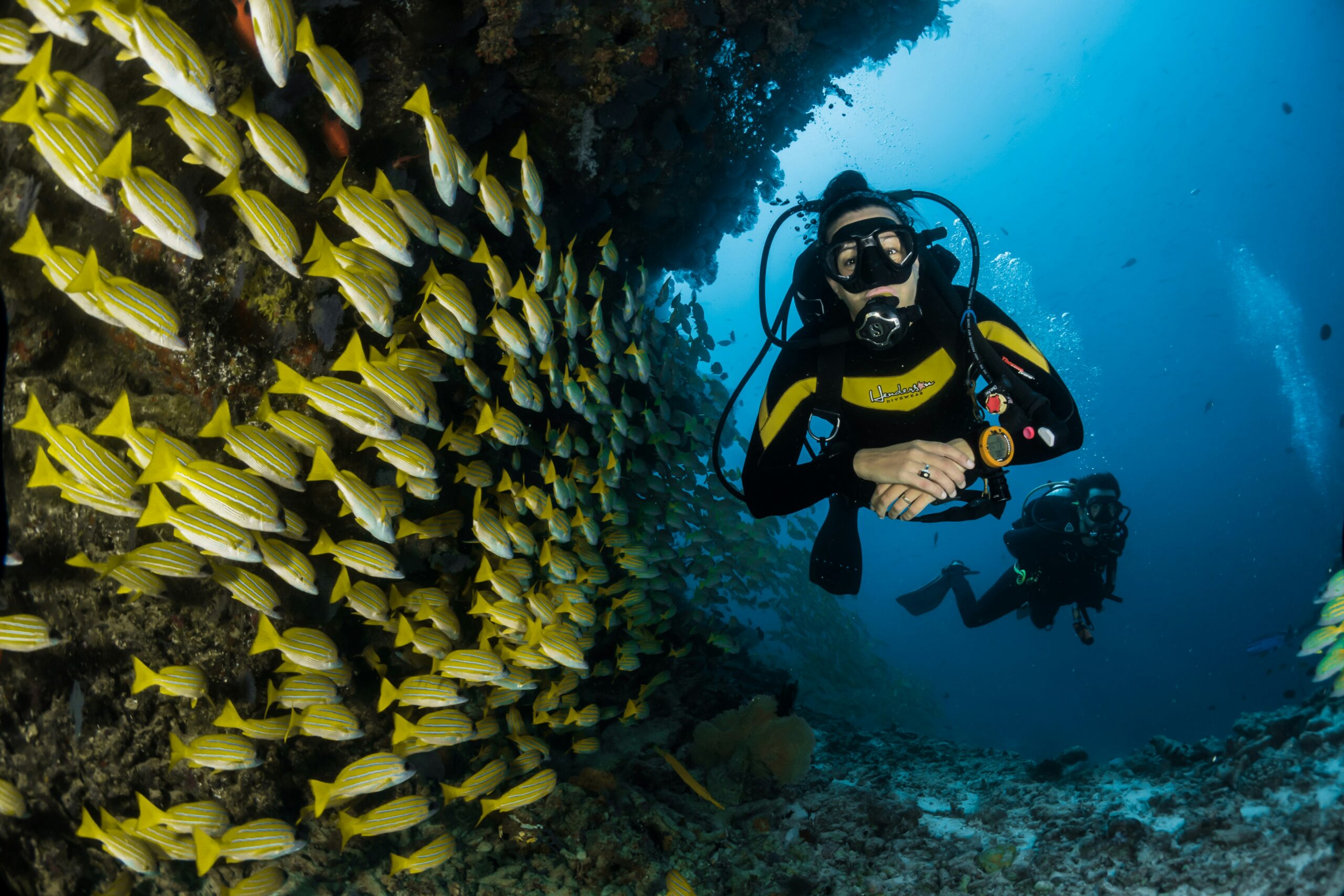
Scuba diving opens the door to a world filled with colorful marine life, beautiful coral reefs, and peaceful underwater landscapes. For many people, exploring the ocean feels like an exciting adventure. However, beginners often have questions about safety, equipment, and the skills needed to dive comfortably. Learning the basics before entering the water helps new divers feel prepared and confident.
Unlike swimming or snorkeling, scuba diving allows people to breathe underwater using special equipment. This experience creates opportunities to observe marine environments from a completely different perspective. With proper training, careful preparation, and guidance from qualified instructors, beginners can develop the skills needed to explore underwater environments safely.
Understanding What Scuba Diving Involves
Scuba diving allows people to explore underwater environments while breathing air from a tank. Divers wear equipment that helps them breathe, move, and maintain comfort beneath the surface. Unlike snorkeling, which mainly involves observing marine life from above, scuba diving allows participants to spend more time underwater. This creates a closer connection with the ocean and its natural surroundings. Beginners usually start in calm, shallow water, where instructors introduce basic techniques and safety practices.
The activity requires more than simply putting on equipment and entering the water. Divers must learn how water pressure affects their bodies, how to control their movements, and how to communicate underwater. These skills help them remain calm in unfamiliar situations. Although the experience may seem challenging at first, professional instruction makes the learning process easier. As beginners become comfortable with the equipment and environment, they can gradually explore new underwater locations.
Choosing the Right Scuba Diving Training Program
Professional training provides the foundation for a safe and enjoyable diving experience. Beginners should choose a recognized diving program that includes classroom learning, supervised practice, and open-water training. Qualified instructors explain essential safety rules and demonstrate how to use diving equipment correctly. They also teach students how to respond to common underwater challenges. Learning these skills in a controlled environment helps beginners develop confidence before exploring deeper water.
A good training program allows students to progress at a comfortable pace. Some people adapt quickly to breathing underwater, while others need additional practice. Instructors should encourage questions and provide clear explanations throughout the process. Beginners should also consider class size, instructor experience, and training conditions when selecting a program. Completing a recognized certification course can prepare divers for recreational diving within their training limits. Continued practice remains important even after certification.
Getting Familiar With Essential Diving Equipment
Scuba diving equipment supports breathing, movement, and comfort underwater. The main pieces include an air tank, breathing regulator, mask, fins, and a device that helps control floating and sinking. Divers may also wear a protective suit depending on water temperature and local conditions. Each piece serves a specific purpose, and understanding how everything works helps beginners feel more comfortable. Instructors usually introduce the equipment before students enter the water.
Proper fit plays an important role in the diving experience. A mask should create a comfortable seal around the face without causing pressure. Fins should allow easy movement without hurting the feet. Breathing equipment must function correctly and receive regular maintenance. Beginners should never use unfamiliar equipment without proper instruction. During training, students learn how to inspect their gear and recognize possible problems. These habits encourage responsible diving and reduce unnecessary risks.
Learning How to Breathe Comfortably Underwater
Breathing underwater feels unusual during the first diving session. Instead of taking air directly from the surface, divers breathe through a regulator connected to their air supply. The equipment delivers air at the surrounding water pressure. Beginners must learn to breathe slowly and continuously while remaining relaxed. Holding the breath during scuba diving can cause serious lung injuries, especially when moving toward the surface. Therefore, instructors emphasize steady breathing from the beginning.
Controlled breathing also helps divers manage excitement and nervousness. Some beginners initially breathe faster because the underwater environment feels unfamiliar. With practice, they can develop a more comfortable breathing rhythm. Instructors often begin these exercises in shallow water, where students can focus on breathing without additional distractions. As confidence improves, divers become more aware of their surroundings and movements. Calm breathing supports a more enjoyable underwater experience and helps divers avoid unnecessary air consumption.
Building Confidence Through Shallow Water Practice
Shallow water training gives beginners an opportunity to learn important skills in a controlled setting. Instructors usually begin with simple exercises that help students become familiar with their equipment. These activities may include clearing water from a mask, recovering a breathing regulator, and practicing underwater communication. Each exercise teaches a useful response to situations that divers might encounter. Repeating these skills helps beginners become more comfortable before entering open water.
Confidence develops gradually through experience rather than rushing into difficult conditions. Some students may feel nervous when their faces first enter the water. Others may need extra time to adjust to breathing equipment or limited visibility. Patient instruction and regular practice can reduce these concerns. Beginners should communicate openly with instructors whenever they feel uncomfortable. Learning at a manageable pace helps create a positive experience and prepares students for future diving adventures.
Understanding Water Pressure and Safe Diving Depths
Water pressure increases as divers move deeper below the surface. This change affects air spaces inside the body, particularly the ears and sinuses. Beginners must learn how to equalize pressure gently during descent. Instructors explain these techniques before entering the water and encourage students to descend slowly. Divers should never force themselves deeper when they experience pain or difficulty equalizing. Stopping the descent and communicating with an instructor helps prevent injuries.
Depth also influences how the body absorbs gases while breathing compressed air. For this reason, divers follow established depth and time limits. Beginners should remain within the limits of their training and experience. They must also ascend slowly and follow their instructor’s guidance about safety stops and other precautions. Understanding these principles helps new divers appreciate why careful planning matters. Safe diving depends on respecting physical limits rather than attempting to reach greater depths.
Developing Good Underwater Communication Skills
Communication becomes especially important because divers cannot speak normally while underwater. Instead, they use simple hand signals to share information with their diving partners. These signals allow divers to indicate whether they feel comfortable, need assistance, or want to change direction. Beginners learn common signals during training and practice using them before entering open water. Clear communication reduces confusion and supports teamwork throughout a dive.
Diving with a partner provides an additional layer of support. Partners can monitor each other’s condition, remain aware of their surroundings, and respond to problems using their training. Before entering the water, divers should discuss the planned route, expected depth, available air, and emergency procedures. They should also agree on how to communicate during the dive. Strong teamwork helps beginners feel supported while developing responsible underwater habits.
Exploring Marine Life With Care and Respect
One of the greatest rewards of scuba diving involves observing marine life in its natural environment. Divers may encounter colorful fish, sea turtles, coral formations, and other fascinating underwater creatures. These experiences offer opportunities to appreciate the beauty and diversity of ocean ecosystems. However, beginners must remember that underwater environments can be sensitive to human activity. Responsible behavior helps protect these habitats for future generations.
Divers should avoid touching coral, chasing animals, or disturbing marine organisms. Maintaining control of their position in the water also helps prevent accidental contact with the ocean floor. Beginners can practice moving gently and keeping equipment secured close to their bodies. Instructors often explain local environmental guidelines before each dive. Respectful exploration allows people to enjoy marine life without causing unnecessary harm. These habits support both personal safety and ocean conservation.